Most delays in product development do not happen at sampling — they happen after it, when a "confirmed" sample turns out to have confirmed the wrong things. The pre-production sample, or PPS, is the checkpoint built to close that gap.

The distinction worth holding onto is this: a prototype answers can this be made? A PPS answers is this exactly what will be made — at volume, on this line, with this material lot? Those are different questions, and approving the first as though it answered the second is where most of the expensive surprises begin.
- Materials and their supplier, confirmed lot by lot
- Hardware, zipper pulls and trims as they will be bought
- Pattern and construction sequence the line will follow
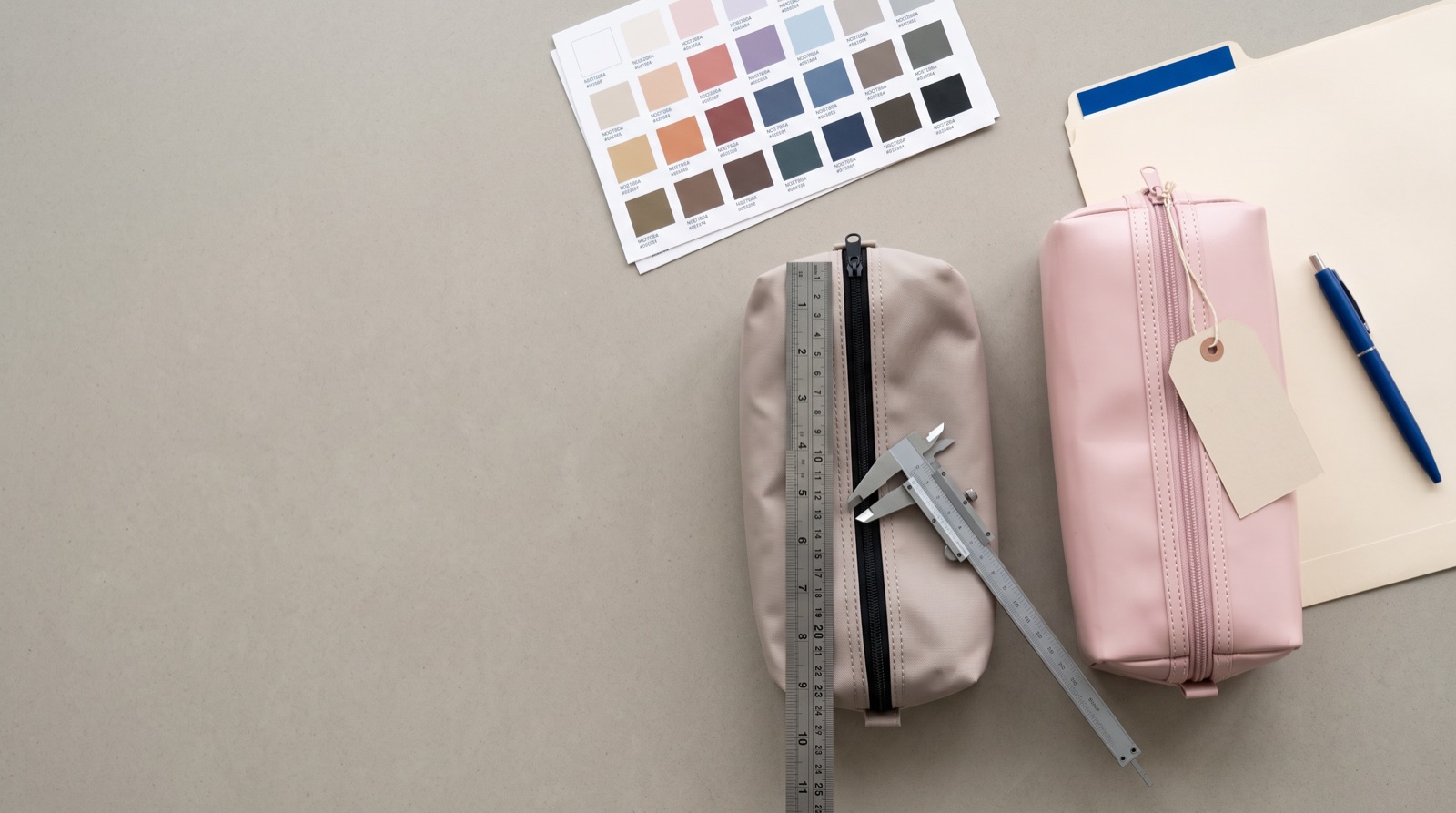
- Colour standards, signed rather than described
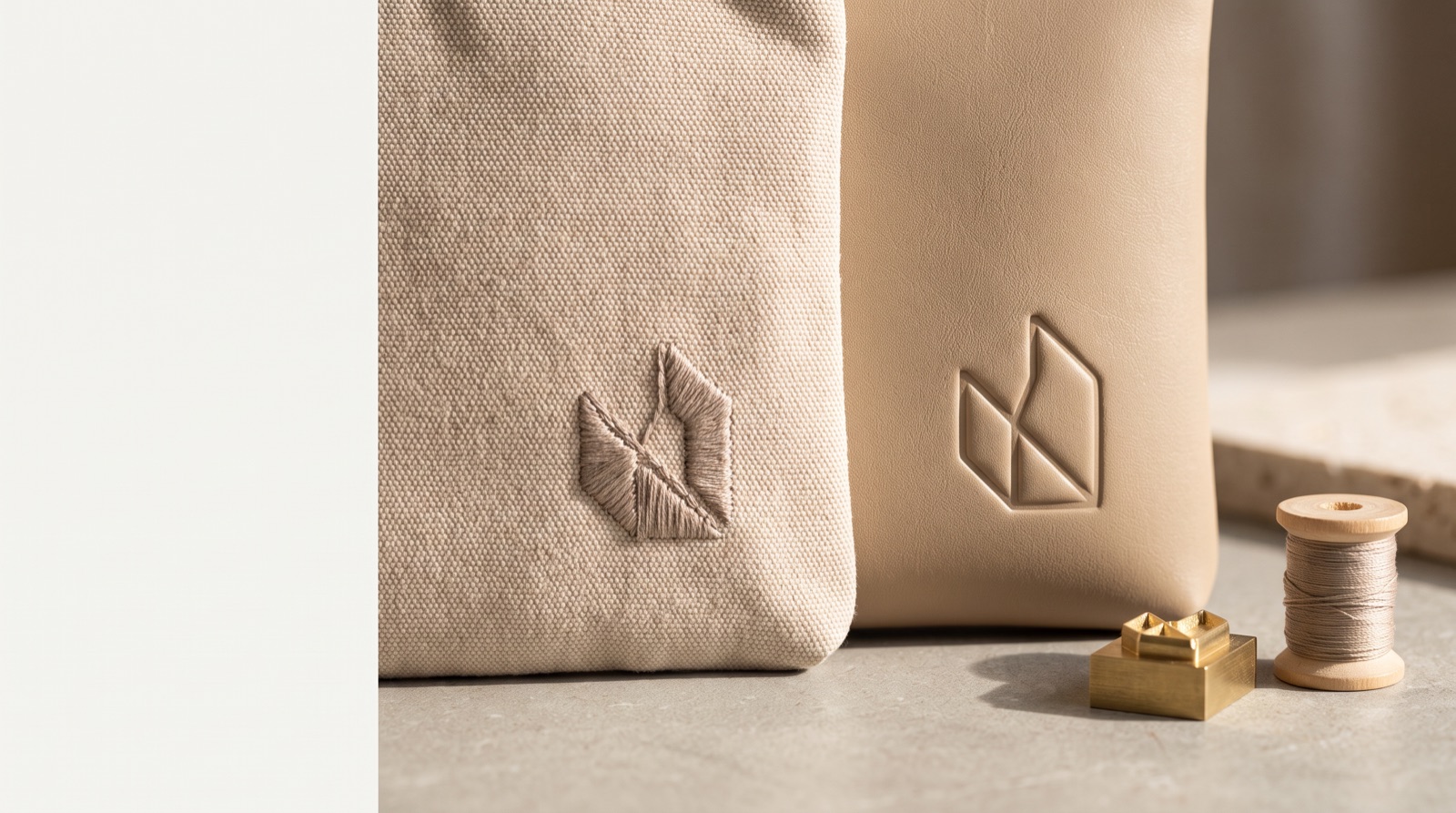
- Logo application method and its placement
Where the PPS sits among the other samples#

A bag programme usually produces several samples, and they are not interchangeable. A proto or development sample tests the idea: proportions, construction, whether the shape works at all. It is frequently built in whatever materials are to hand, because its job is to answer a question about form.
A salesman sample or SMS is built to look right — for photography, for a sales meeting, for a buyer presentation. It may be made by a sample room rather than a production line, by a more experienced operator, and at a pace no production line runs at.
The PPS is different in kind. It is built in bulk materials, on the bulk line, by the people who will make the order, using the production method for every operation including the branding. That is the whole point of it, and it is why a PPS takes longer to produce than a sample that only has to look correct.
After bulk starts there is usually a first article or in-line check against the approved PPS, and a final random inspection before shipment — which is a different discipline again, covered in setting an AQL inspection plan.
What the PPS locks in#
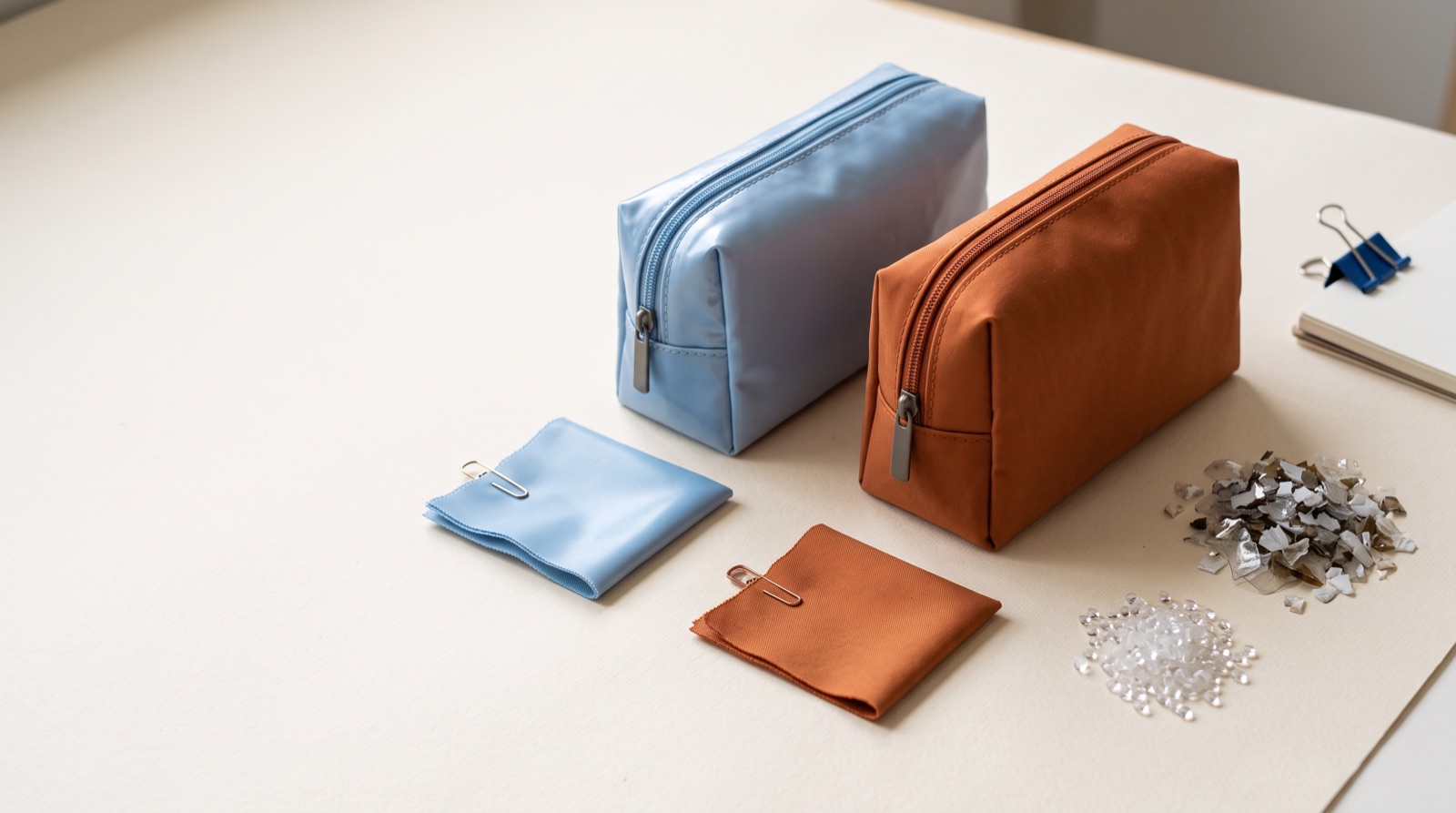
Unlike an early development sample, the PPS is built on production-intent tooling, using the exact material lot, hardware and construction method planned for the bulk run. Once approved, it becomes the reference every production unit is measured against — not the original brief, not the first sample.
In practice that means anything differing between the PPS and the bulk order is, by definition, a variable nobody has checked. A substituted zipper "just for the sample", a lining pulled from a different lot, a logo applied by hand rather than by the production method — each one quietly moves a decision from the checkpoint into the run itself, which is the one place it cannot be corrected cheaply.
The specific things a PPS should settle: measurements against the spec and the tolerance allowed on each; the actual material lot for shell, lining and interlining; every item of hardware as it will be bought; the colour standard, signed rather than described; the branding method, applied by production; labelling, care and origin marking; and the packing method, including the bag or box the piece ships in.
What it does not cover#
A PPS confirms construction and specification — it does not guarantee consistency across a full production run on its own. That is what in-line QC checkpoints during cutting, sewing and final inspection are for. Treating the PPS as the only quality gate is one of the most common gaps in briefs that come from a previous, less structured supplier relationship.
It also does not confirm anything about a component that was not in it. If a second colourway is added after approval, that colourway has not been through the gate; if the zip supplier changes, the zip has not. Both are ordinary events, and both need either a new PPS or an explicit, written acceptance that they are being taken on trust.
And it does not confirm what the market requires. Compliance documentation, test reports and labelling obligations are a separate track that runs alongside — see compliance documents for the US and EU.
How to inspect one properly#
Sign-off is worth slowing down for, because the things that matter are rarely the things that photograph well. Work through the piece in a fixed order rather than reacting to what catches the eye.
Measure before looking. Take every dimension on the spec sheet and record the actual figure, not a pass or fail. A piece 4 mm over on depth is within most tolerances; the same 4 mm on a piece that has to fit a retail carton is not, and only the recorded number tells you which case you are in.
Test under load. Does the zipper run cleanly when the piece is full, not just when it is empty and flat? Do the seams sit correctly at the corners, where fabric thickness stacks up? A sample that behaves on a table and binds when packed has not been tested.
Check the reference points. Is logo placement measured from a fixed point — a seam, a zip end, the base — or was it aligned by eye on the sample and therefore likely to drift across a run? This single question catches a large share of first-article rejections.
Look at the inside. Seam allowances, the reverse of any embroidery, the finish of the lining where it meets the zip tape. These are where a difference between a sample-room build and a production build shows first.
Check the labels and the packing. Care label content and placement, origin marking, barcode and carton marks. They are part of the approval and are the part most often left until after it. Our note on what to check when your first samples arrive covers the full sequence.
Approving, rejecting, and the thing to avoid#
There are three honest outcomes: approved, approved with specified corrections, or rejected with a second PPS required. The fourth — approved conditionally, with the correction described in an email — is the one that causes trouble, because the reference the line works from is the physical sample, not the correspondence.
If a correction is accepted without a new sample, it has to be written into the specification and acknowledged, so that the approved PPS plus the written amendment together form the reference. Anything less means the line is building from the sample it has, and the sample it has is wrong.
Approving conditionally — "we will fix the zip colour in bulk" — is how a programme acquires a second round it did not budget for. It is almost always cheaper to build one more sample than to accept one uncontrolled variable.
Sign and retain a counter-sample. The approved piece should be sealed, labelled with the date and the specification revision, and one kept by each side. That sealed sample is what an inspector measures against later, and a programme without one is arguing from memory.
What it means for the schedule#
PPS approval is a gate, and everything downstream schedules from it. A sample sitting unapproved for a week moves delivery by a week — the line is not waiting patiently, it is committed to other work in the meantime.
The material lead time usually runs before the PPS, not after, because a PPS built in bulk materials requires those materials to be in house. That is why the honest answer to "how long will this take" is longer than the production figure alone, as set out in how long a custom bag order takes.
Where a launch date is fixed, the useful move is to schedule the PPS review as a booked appointment with a named approver, rather than as something that happens when the parcel arrives. The gate is only as fast as the person holding it.
Why it matters for reordering#
A signed-off PPS, paired with a documented spec sheet, is what lets a brand reorder confidently — from us or, if needed, from another manufacturer. A locked, repeatable specification is the actual deliverable, not just the first good-looking sample.
That specification is also the thing that protects the design commercially. A build that exists only as an approved sample in one factory is harder to defend and harder to move — our note on protecting your design when working with a factory covers the rest.
For buyers coming from a less structured supplier relationship, this stage can feel like delay before the real work starts. The more useful framing is that it is the last point at which changes are still cheap. After it, every correction is a rework cost, a delay, or a compromise accepted because the shipment date will not move.