SMETA, BSCI, ISO 9001 and Disney FAMA are often listed together as "factory certifications", but they prove different things. SMETA and amfori BSCI are social audits, ISO 9001 is a management-system certificate, and FAMA is a licensor's facility authorization. None of them answers the question most buyers really have: will my order be right?
Three terms help. A social audit is a point-in-time, on-site assessment of labour practices, health and safety and, depending on scope, environment and ethics. Certification, in ISO’s definition, is written assurance from an independent body that a product, service or system meets specific requirements. Accreditation is formal recognition that the certification body itself is competent.
What does a SMETA audit actually show?#
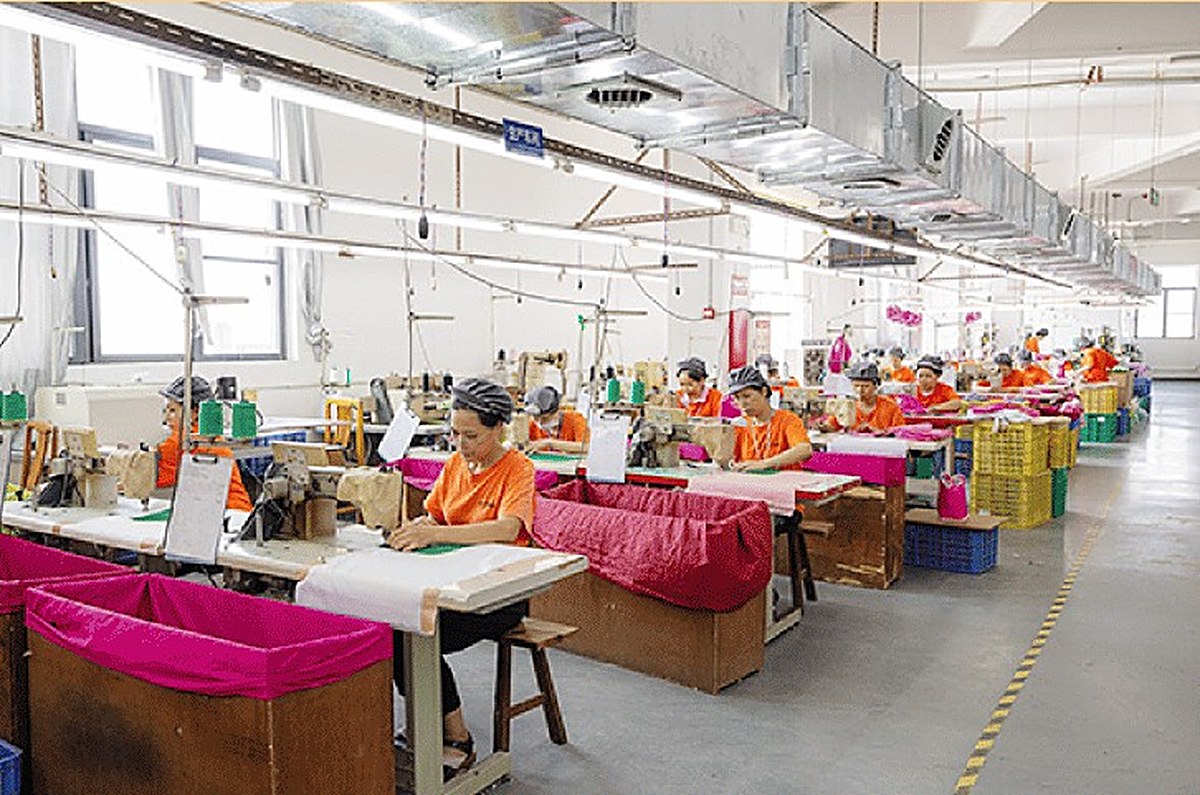
A SMETA audit shows how a site performed against the ETI Base Code, ILO conventions and local law on the day it was audited, recorded in a report with a corrective action plan. SMETA (Sedex Members Ethical Trade Audit) is owned by Sedex, and only Sedex-approved audit companies may carry it out. Sedex states that SMETA is not a certification and that no pass or fail is issued.
Check the scope first. Sedex offers two SMETA scopes: a 2-pillar audit covers labour standards and health and safety, and a 4-pillar audit adds environment and business ethics. Confirm which one your retailer requires, and check the version, since Sedex describes SMETA 7 as its latest. Reports are shared through the Sedex Platform, which requires the site to be a Sedex member.
Is amfori BSCI a certification?#
No. amfori states that amfori BSCI is not a certification and gives no pass or fail verdict. An amfori BSCI (Business Social Compliance Initiative) audit rates 81 questions across 13 performance areas of a code of conduct based on OECD guidelines, the UN Guiding Principles and ILO conventions, and the report carries an overall grade from A to E.
The grade also shows where a site is in its cycle. After an A or B, the next full audit is due within two years; a C, D or E requires a follow-up audit two to twelve months later. The full report is only available on the amfori Sustainability Platform, and the PDF a supplier emails is just a summary. amfori also calls audits a snapshot that cannot guarantee full compliance.
What does an ISO 9001 certificate cover in 2026?#
An ISO 9001 certificate confirms that a company's quality management system, within the stated scope, meets the standard's requirements; it does not certify products or labour conditions. ISO does not issue certificates; external certification bodies do. Accreditation is not compulsory, so check who issued the certificate, whether that body is accredited, and the scope printed on it.
Then check the edition. ISO 9001:2015 is being replaced by ISO 9001:2026, which LRQA reports is scheduled for publication on 16 September 2026. Certificates to the 2015 edition stay valid during the transition period, whose length the accreditation bodies confirm at publication, so note which edition you see and ask the supplier about its transition plan. Verify validity on IAF CertSearch or with the certification body.
What is Disney FAMA, and when does it matter?#
FAMA (Facility and Merchandise Authorization) is Disney's written permission for a named facility to make Disney-branded goods, and it matters only for Disney licensed programmes. Under Disney's International Labor Standards Program Manual, licensees and vendors must declare each facility, submit a qualified ILS audit report where required and receive a FAMA before production starts.
A FAMA is valid only for the licensee or vendor it was issued to and is generally issued for one year, so a factory's authorization for another company's programme does not cover yours. Confirm facility status through your licensee team or Disney rather than on the factory's word, and for other licensors, ask what their own facility approval requires.
What don't audits and certificates prove about your order?#
Audits and certificates describe a site and its systems, not your product. Order quality is shown by controls on the run: a signed pre-production sample, in-line checks and a final inspection to an agreed AQL plan.
Material and chemical claims are separate again. A recycled-content claim needs certification tied to the material and its supply chain, as explained in how to verify a recycled material claim. Chemical compliance, including PFAS restrictions, is shown by test reports on the materials used. Finally, confirm that the audited site is the one actually making your goods.
How should you check an audit report or certificate before shortlisting?#
Run the same six checks on every document. Name and address: the legal entity and site should match the factory producing your goods, not a head office or trading company. Date: note the audit date or certificate validity and any follow-up due. Scope: confirm the pillars, performance areas, sites and activities covered.
Findings: read the grade or non-compliances and check whether corrective actions were closed, not just listed. Issuer: identify the audit company or certification body and whether it is approved or accredited for that scheme. Access: view the report on the Sedex or amfori platform, or verify the certificate independently, instead of relying on a forwarded PDF.
What should you send ROOTSMEN to start?#
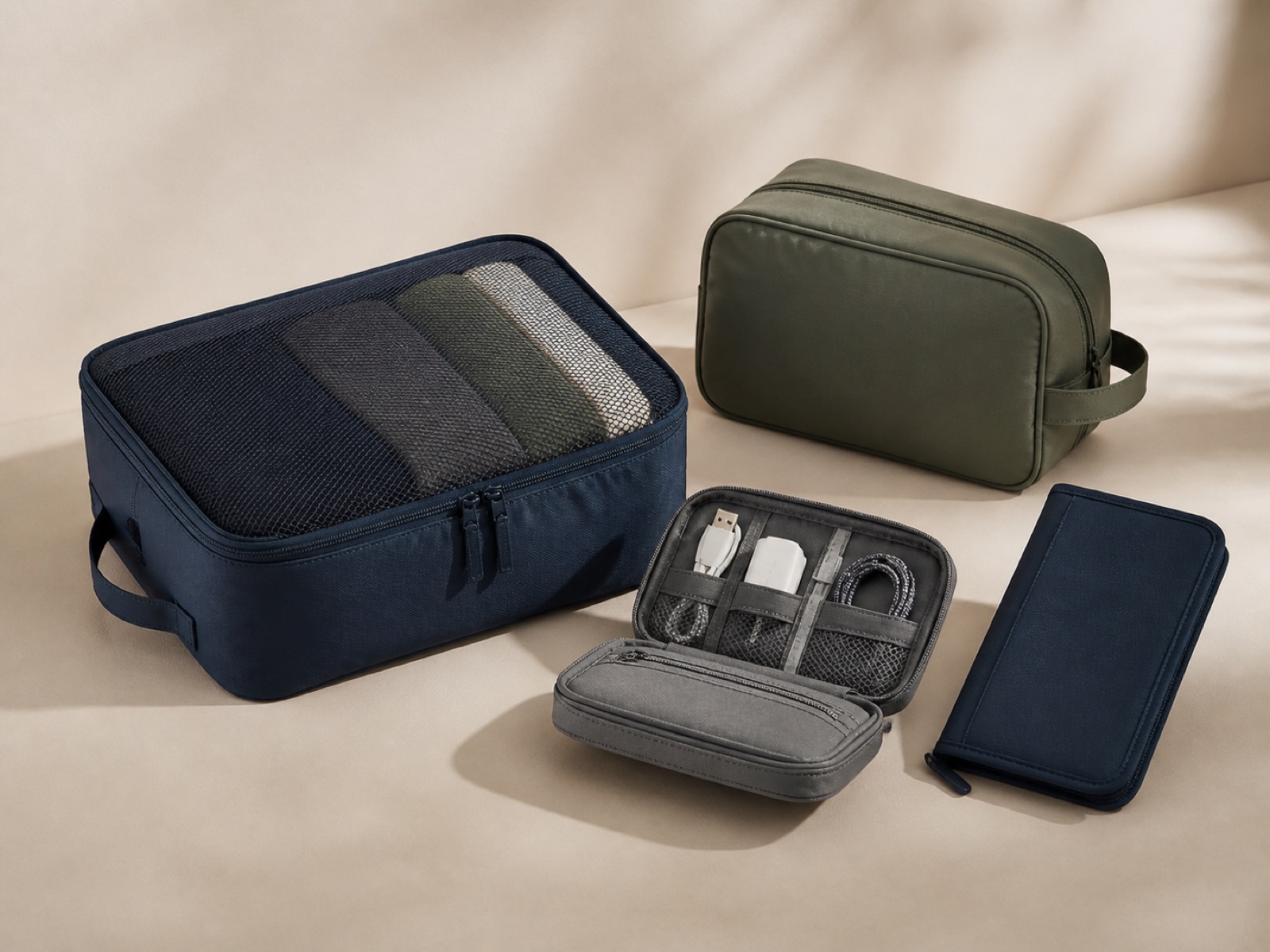
Send your compliance requirement together with the product brief. Tell us which audits or certificates your customer requires, including version or scope such as SMETA 4-pillar; whether the programme is licensed, and by which licensor; your markets; the product category, from cosmetic bags to travel accessories or promotional and GWP items; and quantity and timeline.
ROOTSMEN's About page lists FAMA, ISO 9001, SMETA, GMP and BSCI. Certificate details can be shared during an active enquiry, with holder, scope and validity confirmed against the factory, material or programme involved, and our OEM/ODM and licensed development solutions start from that brief. Contact us with the details above, plus what we need for an accurate first quote.
| Question | SMETA | amfori BSCI | ISO 9001 | FAMA |
|---|---|---|---|---|
| What it covers | Labour standards and health and safety (2-pillar); adds environment and business ethics (4-pillar) | Social performance across 13 performance areas of its code of conduct | The quality management system within the certified scope | Use of a named facility for Disney-branded production |
| Who runs or issues it | Sedex methodology; audits only by Sedex-approved audit companies | amfori; results managed on the amfori Sustainability Platform | An external certification body, ideally accredited; not ISO itself | Disney, under its International Labor Standards programme |
| Output | Audit report with a corrective action plan; no pass or fail | Audit report with an overall grade from A to E | Certificate stating the standard, edition and scope | Authorization for one licensee or vendor, generally for one year |
| What it does not prove | Product quality, material content or chemical compliance | Pass or fail status, product quality or material compliance | That a product or order meets your specification | Authorization for another licensee or any other brand |
| How to verify | View the report and corrective action status on the Sedex Platform | Review the full report on the amfori platform; the PDF is only a summary | Search IAF CertSearch or ask the certification body; check edition and scope | Confirm with your licensee team or Disney, not the factory alone |