產品開發的延誤多半不發生在打樣階段,而是打樣之後——當一個「已確認」的樣品被發現確認錯了東西。產前樣(PPS)就是為了堵住這個縫隙而存在的關卡。

值得記住的區別是:開發樣回答的是這個做得出來嗎?產前樣回答的是這是不是就是量產時、在這條線上、用這批材料會做出來的東西?這是兩個不同的問題,而把前者的答案當成後者,正是多數昂貴意外的起點。
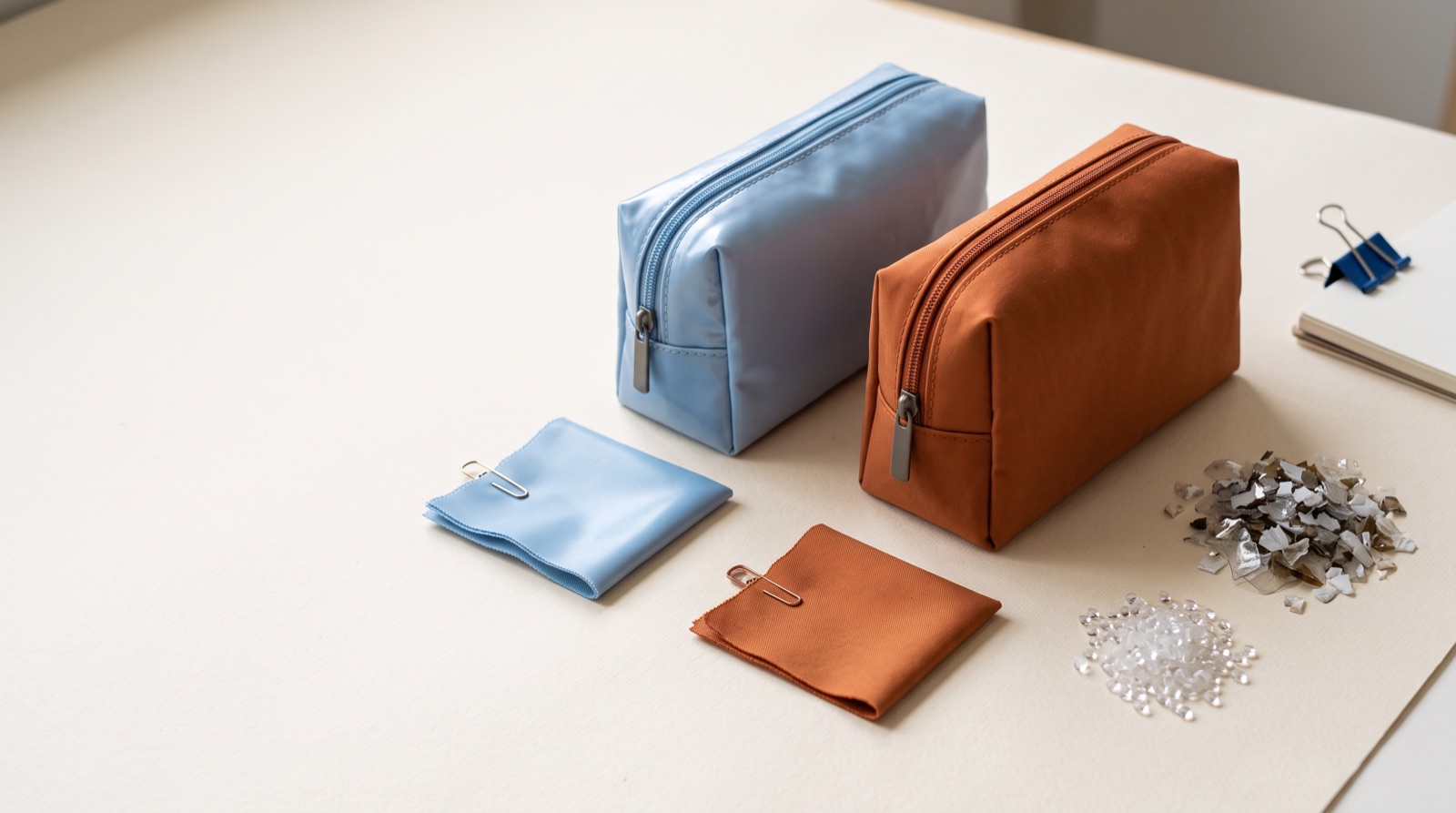
- 材料與其供應商,逐批確認
- 五金、拉頭與配件,比照實際採購規格
- 產線將依循的版型與車縫順序
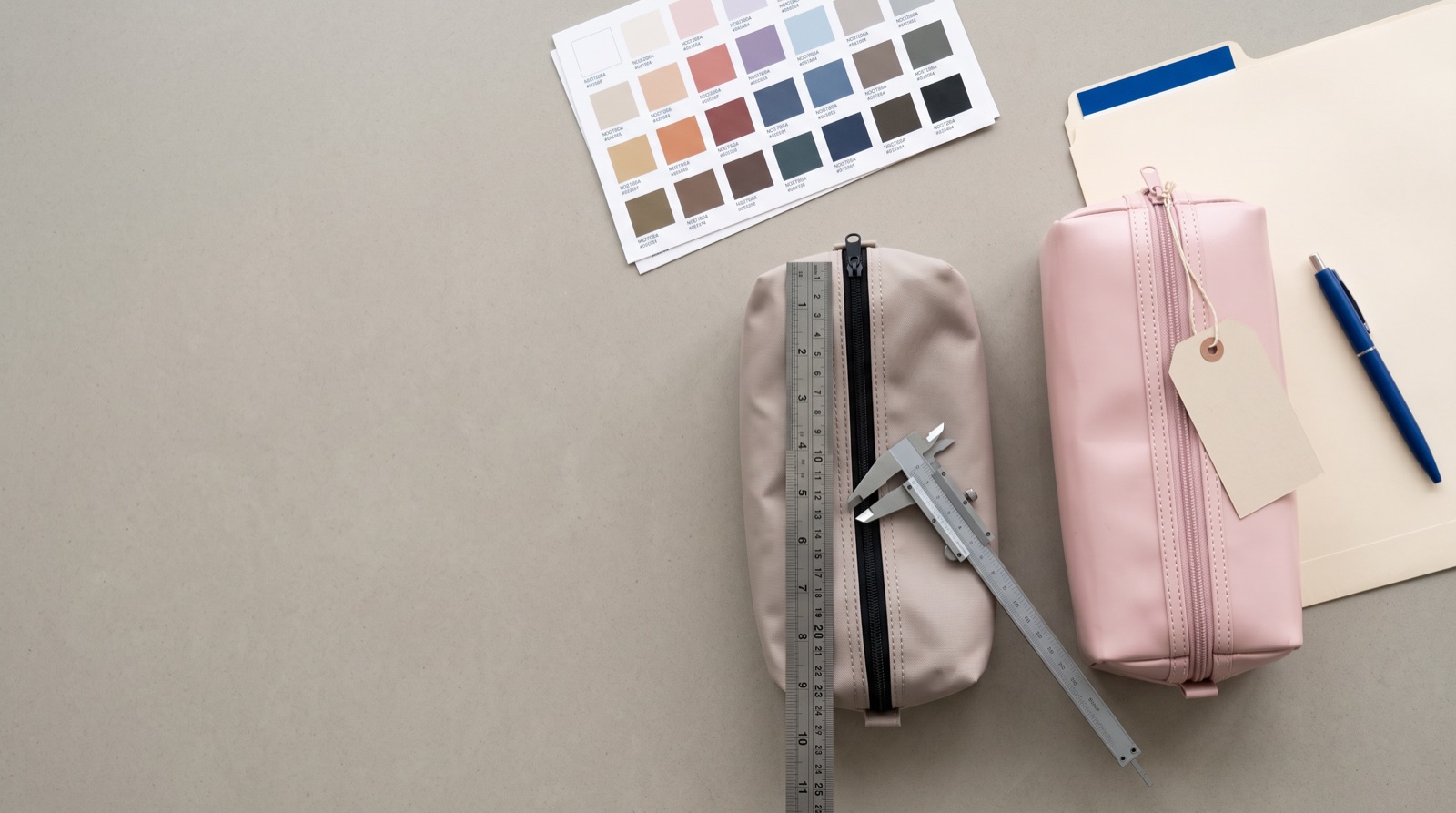
- 色標以簽核為準,不是用文字描述
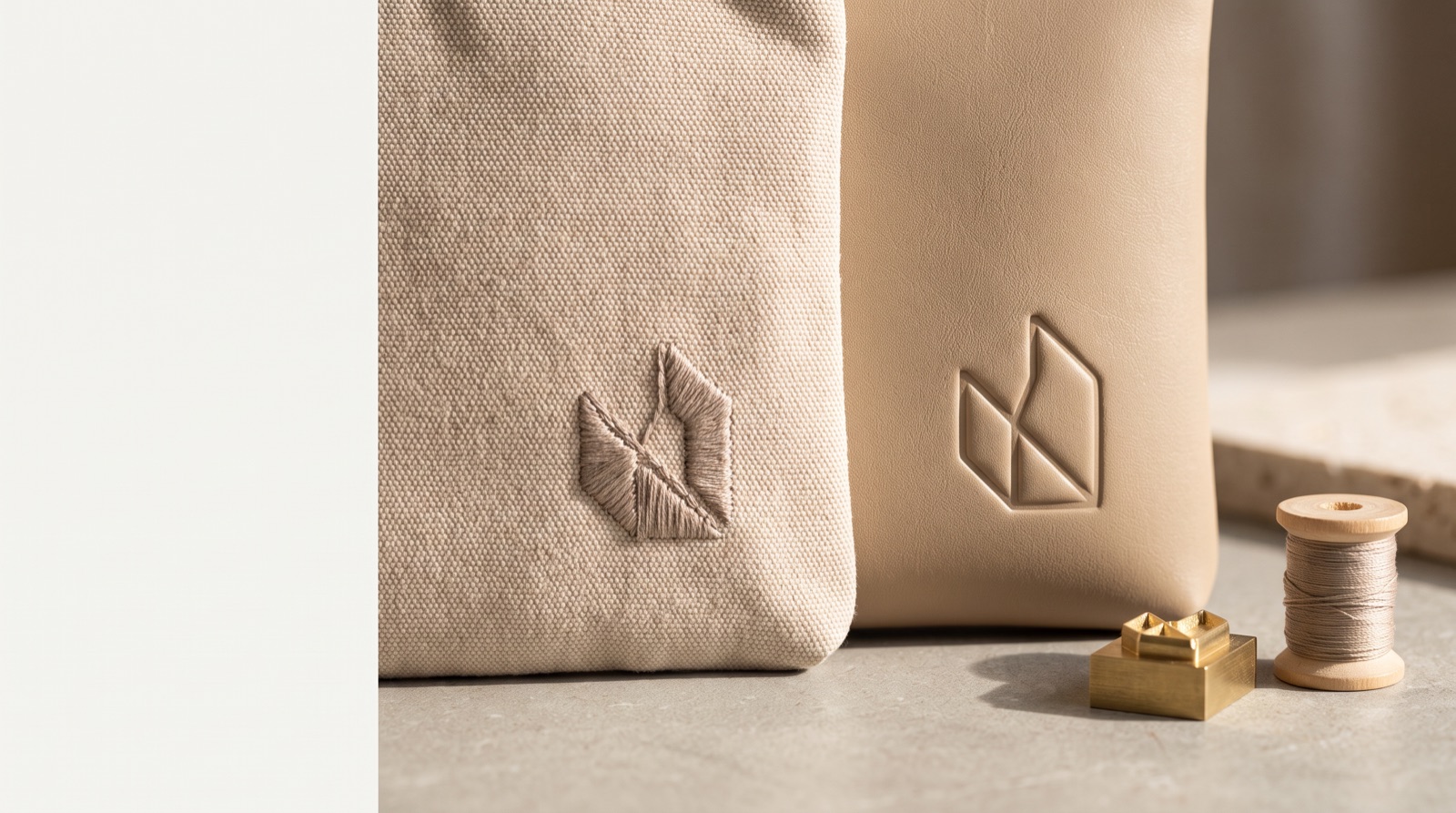
- Logo 的呈現方式與位置
產前樣在各種樣品中的位置#

一個包袋專案通常會產出好幾種樣品,而它們不能互相取代。開發樣(proto)測試的是構想:比例、結構、這個形狀到底成不成立。它常常用手邊現有的材料做,因為它的任務是回答形狀的問題。
業務樣(SMS)是為了「看起來對」而做的——為了拍照、為了業務會議、為了通路提案。它可能由樣品間而非量產線製作,由更資深的車工完成,速度也不是任何量產線的速度。
產前樣則在本質上不同。它用量產材料、在量產線上、由真正會做這張訂單的人、以量產工法完成每一道工序——包含品牌工藝。這就是它存在的全部意義,也是為什麼產前樣比「只要好看」的樣品花更久。
量產開始後通常還有一次首件確認或線上檢查,對照核可的產前樣;出貨前則有最終抽驗,那又是另一套紀律,請見如何設定 AQL 驗貨計畫。
產前樣鎖定了什麼#
和早期開發樣不同,產前樣是以量產意圖的模具、量產預定的材料批號、五金與工法製作的。一旦核可,它就成為每一個量產件被比對的基準——不是原始需求,也不是第一版樣品。
實務上這表示:任何「產前樣與量產訂單之間不一樣」的地方,依定義都是沒有人檢查過的變數。「樣品先用別的拉鍊代替」、裡布抓了不同批、標誌用手工而不是量產工法貼上——每一項都悄悄把一個決定從關卡移進了量產本身,而那是唯一無法便宜修正的地方。
產前樣應該敲定的具體項目包括:對照規格的尺寸與各項容差;表布、裡布與襯料的實際材料批號;每一項會實際採購的五金;簽核過(而非口頭描述)的色標;由量產工法上好的品牌工藝;洗標、成分與產地標示;以及包裝方式,含出貨用的袋或盒。
它沒有涵蓋的部分#
產前樣確認的是結構與規格,它本身並不保證整批量產的一致性。那是裁剪、車縫與最終檢驗各環節線上品管的工作。把產前樣當成唯一的品質關卡,是需求單上最常見的缺口之一,尤其常見於從較不制度化的供應關係轉過來的買家。
它也不會確認任何沒出現在它身上的零件。如果核可之後新增一個配色,那個配色就沒有通過這道關卡;如果拉鍊供應商換了,拉鍊也沒有。這兩件事都很常見,也都需要一件新的產前樣,或一份明確、書面的「我們同意以信任接受」。
它同樣不會確認市場的要求。合規文件、測試報告與標示義務是並行的另一條軌道——請見美國與歐盟需要哪些合規文件。
怎麼正確地檢查一件產前樣#
簽核值得放慢,因為真正重要的地方往往不是拍起來好看的地方。請照固定順序走過整件產品,而不是被最搶眼的部分牽著走。
先量,再看。把規格表上每個尺寸都量過並記下實際數字,而不是只寫「合格」。深度超出 4 公釐在多數容差內是可以的;但如果這件產品必須塞進零售外盒,同樣的 4 公釐就不行——而只有記下來的數字能告訴你是哪一種情況。
在受力狀態下測試。裝滿的時候拉鍊還順嗎,不是只有空的、攤平的時候?方角處布料疊起來之後,車縫線還坐得正嗎?在桌上乖乖的、一裝滿就卡住的樣品,等於沒被測試過。
檢查基準點。標誌位置是以固定點量出來的——某條車縫線、拉鍊端點、底部——還是在樣品上用眼睛對齊、因此整批一定會跑掉?光是這一個問題,就能攔下很大一部分的首件退件。
看內部。縫份、刺繡背面、裡布與拉鍊布帶交接處的收邊。樣品間做法與量產線做法的差異,最先會在這些地方現形。
檢查標示與包裝。洗標內容與位置、產地標示、條碼與外箱嘜頭。它們都是核可的一部分,卻最常被拖到核可之後。完整順序請見第一批樣品到手要看什麼。
核可、退回,以及該避免的那一種做法#
只有三種誠實的結果:核可、附指定修正的核可,或退回並要求第二件產前樣。第四種——口頭核可、修正內容寫在 email 裡——才是麻煩的來源,因為產線依據的基準是那件實體樣品,不是往來信件。
如果修正在沒有新樣品的情況下被接受,就必須把它寫進規格並取得確認,讓「核可的產前樣+書面修正」共同構成基準。少於這個,產線就是照著手上那件在做,而手上那件是錯的。
有條件核可——「大貨再把拉鍊顏色改掉」——正是一個專案莫名多出一輪預算外工序的方式。多做一件樣品,幾乎永遠比接受一個未受控的變數便宜。
請簽核並保留封樣。核可的那件應該封存、標上日期與規格版本,雙方各留一件。驗貨員日後比對的就是那件封樣;沒有封樣的專案,等於在憑記憶爭論。
它對時程的意義#
產前樣核可是一道關卡,後面所有事都從它開始排程。一件樣品擱著沒簽核一週,交期就往後一週——產線並不是在耐心等待,它在這段時間已經排了別的工作。
材料交期通常跑在產前樣之前而不是之後,因為用量產材料做的產前樣,需要那些材料已經進廠。這就是為什麼「這要多久」的誠實答案,比單看生產天數長——請見客製化包袋訂單要多久。
上市日固定時,有用的做法是把產前樣審查排成一個有指定簽核人的既定行程,而不是「包裹到了再說」。這道關卡的速度,只等於守門那個人的速度。
為什麼這件事對追加訂單很重要#
一份簽核過的產前樣,加上一份完整的規格書,才是讓品牌能安心追加訂單的東西——不論是跟我們,或必要時跟別家。真正的交付物是一份鎖定、可重複的規格,而不只是第一件好看的樣品。
那份規格同時也是在商業上保護設計的東西。一個只以「某家工廠裡一件核可樣品」形式存在的做法,比較難主張、也比較難轉移——其餘請見與工廠合作時如何保護你的設計。
對從較不制度化的供應關係轉過來的買家來說,這個階段感覺像是「真正開工前的延誤」。比較有用的看法是:這是修改仍然便宜的最後一刻。過了這裡,每一次修正都是重工成本、交期延誤,或因為出貨日不會動而被迫接受的妥協。