Drawstring bags turn up everywhere in a product range: as shoe bags, dust bags for handbags, gift pouches, travel organisers and promotional giveaways. They are quick to make and easy to brand, and that simplicity is what catches buyers out. A pouch that will not close fully, a cord that sticks halfway, or an end that frays after a few uses is noticed immediately by the end customer.
Almost all of those faults trace back to a handful of choices made at the brief stage. This note walks through them in the order a product developer usually meets them: how the bag closes, what the cord is made of and how it ends, how the top is built, which fabric to use, and what to check when the first samples arrive.
Single or double drawstring#
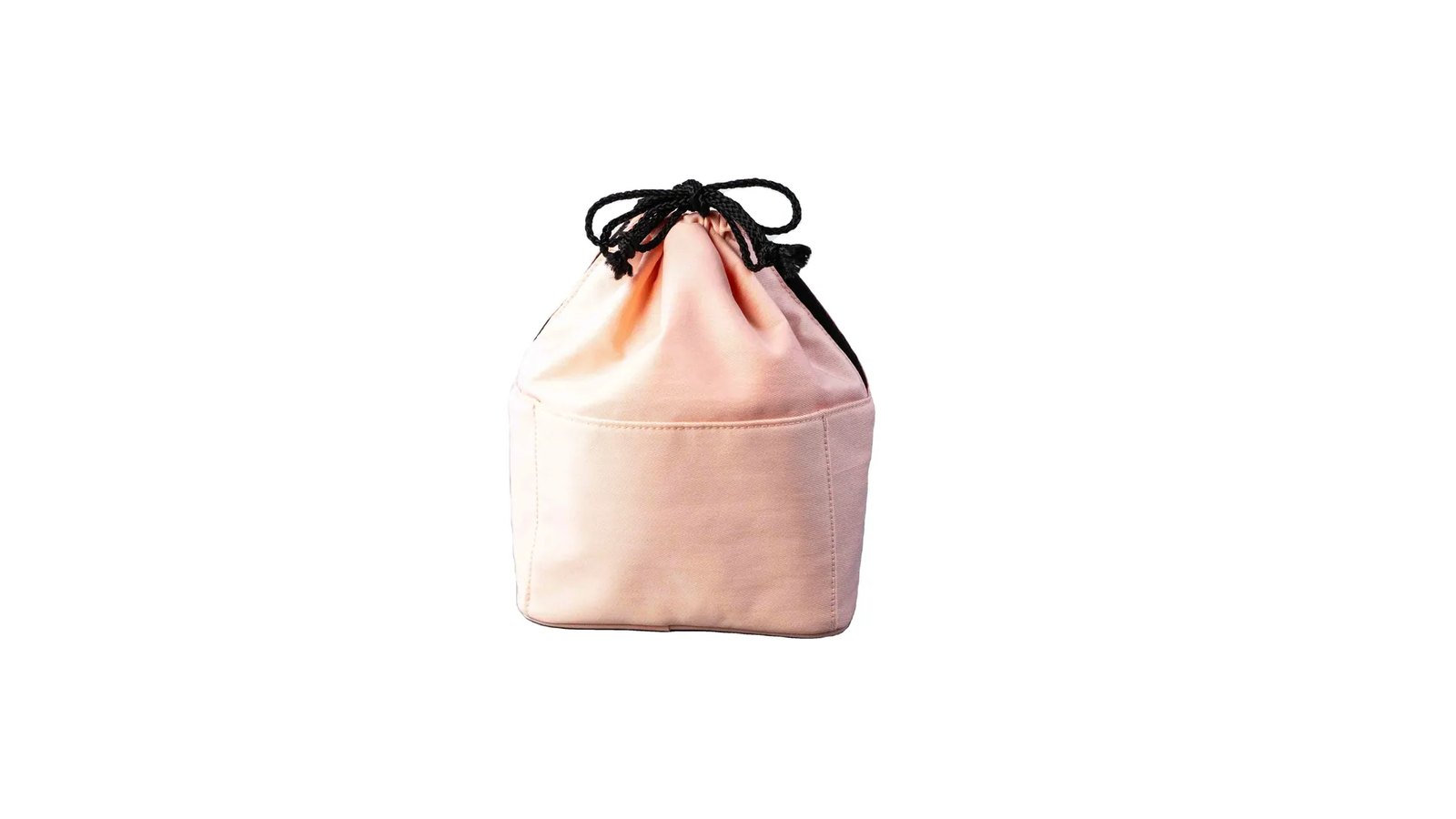
A single drawstring runs once around the top and exits at one point. It is the natural choice for small pouches — jewellery, chargers, a lipstick or a sample set — where one pull is enough to close the opening and the cord can be tied or held by a stopper.
A double drawstring uses two cords, each running the full way round and exiting on opposite sides, so the bag is closed by pulling both at once. It gathers a wider opening more evenly and closes more securely, which is why it is common on shoe bags, laundry bags and backpack-style bags where the cords also serve as straps. It uses more cord and more finishing work, so decide early whether the size of the bag really needs it.
Cord types and how the ends are finished#
Round cord slides most freely and gathers the tightest, so it suits fabrics that need a firm pull to close. Flat cord or tape lies flat in the channel and twists less, which looks tidy on cotton and canvas. Ribbon is the gift option: soft and attractive, but it grips less and can loosen, so it is better on pouches that are tied in a bow than on bags that are carried by the cord.
The ends matter as much as the cord. Tips (aglets) stop fraying and make threading easier; a simple knot is cheap to add and stops the cord pulling back through; a cord stopper or toggle holds the bag closed without tying and lets the user adjust it with one hand. Synthetic cord and ribbon are usually heat-sealed at the cut so they do not unravel. Ask for the end finish to be shown on the sample, not just described.
The channel at the top, and whether you need eyelets#
The cord runs through a channel, also called a casing, formed by folding and stitching the top edge or by sewing on a separate band. The channel must be wide enough for the cord to slide freely once the seam allowance is taken into account; a channel that is snug on paper often binds once the cord is threaded. Thicker fabrics and thicker cords both need a more generous channel.
The cord leaves the channel either through a gap in the side seam or through eyelets set into the fabric. A seam opening is neat and needs no hardware, and it works well on most soft pouches. Eyelets are worth adding when the fabric is heavy, when the cord will be pulled hard and often, or when the look calls for metal detail; they should be backed with a reinforcing layer so they do not pull out of a thin fabric.
Fabrics and how each one gathers#
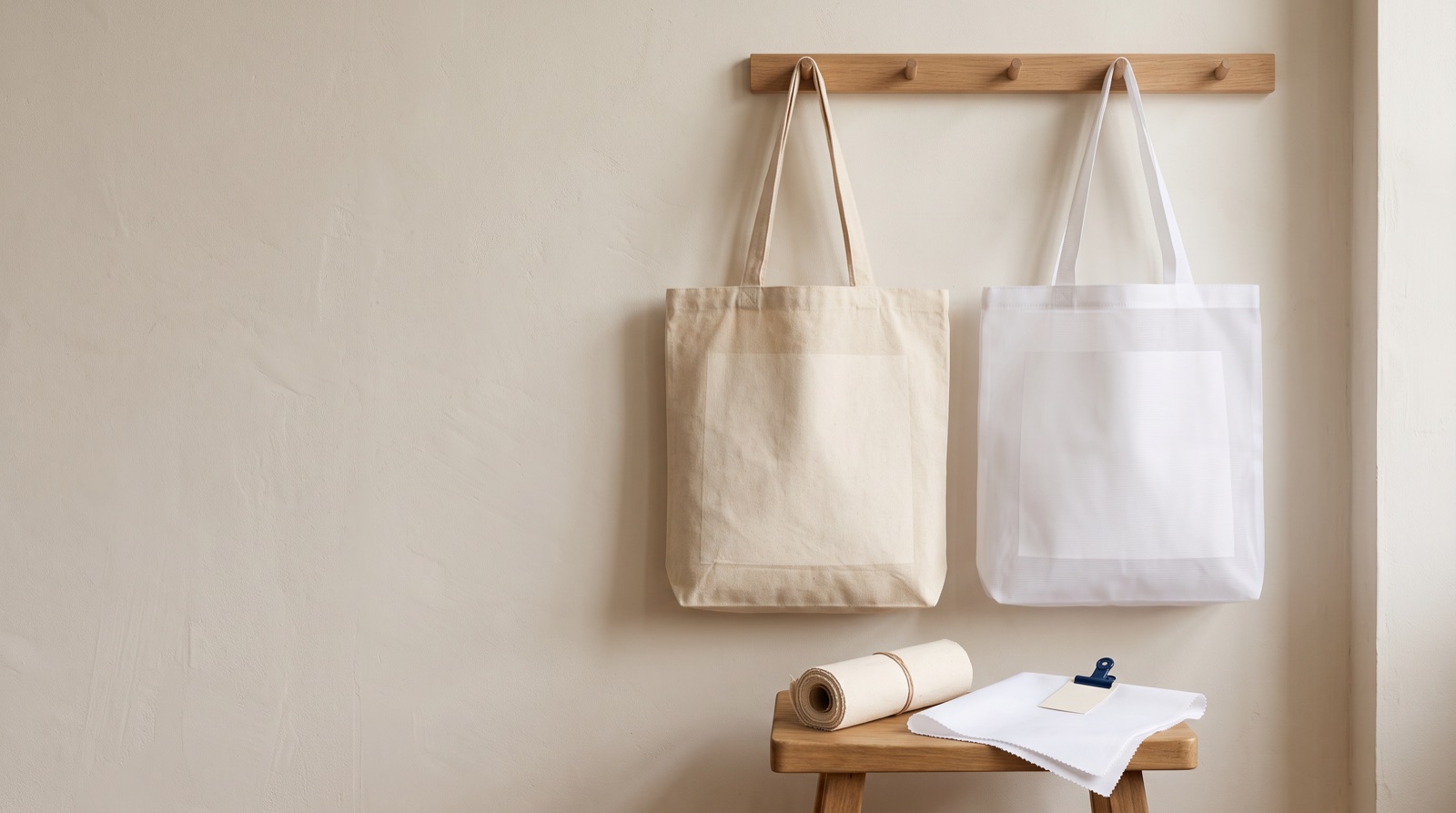
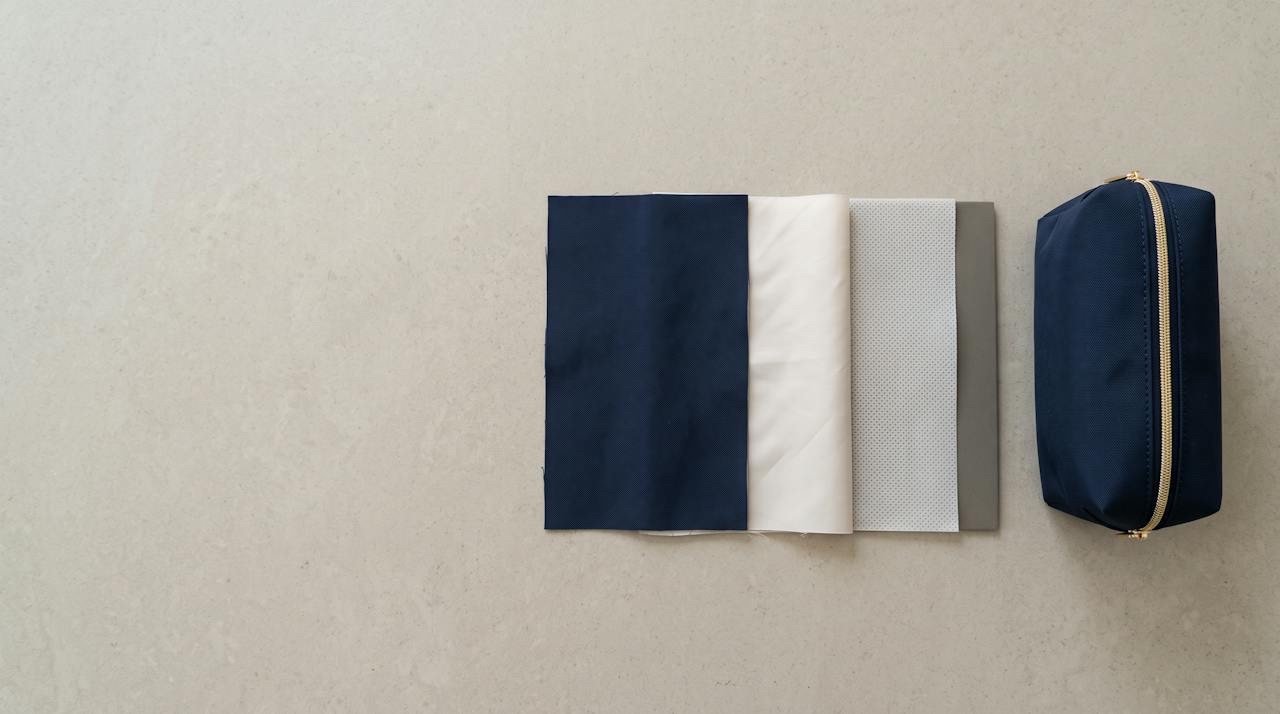
Cotton and lightweight canvas gather into soft, even folds and print well, which makes them the default for merchandise and gift bags; heavy canvas holds its shape but needs more pull to close. Polyester and nylon are lighter, smoother and more water-resistant, and they slide easily against the cord, so they suit travel pouches, shoe bags and sports bags. Nonwoven fabric is economical for one-off promotions but gathers stiffly and can tear at the channel if pulled hard.
Velvet-style pile fabrics give a premium feel for jewellery and accessory pouches, but the pile adds bulk in the channel and shows crush marks, so allow extra width and handle samples carefully. If recycled content or the choice between materials is part of the decision, our comparison of RPET and cotton canvas for promotional bags sets out the trade-offs.
Flat or gusseted, lined or unlined#
A flat drawstring bag is two panels sewn together; it is quick to produce, packs flat and prints easily, but it holds bulky items awkwardly. A gusset or a flat base lets the bag stand and hold shoes, boxed products or a bottle properly, and it changes how the top gathers, so the channel and cord length should be checked against the gusseted shape rather than the flat pattern.
Lining is mostly a gift-pouch question. A lining hides the inside seams, protects polished or delicate items, and lets you pair a plain outer with a contrast colour inside; it also adds a layer the channel has to accommodate. Dust bags and shoe bags are usually unlined so they stay light and breathable. For lining materials and when to add interlining, see lining and interlining for cosmetic bags.
Long cords and children's products#
Long cords and drawstrings on products that children may use or reach can present an entanglement or strangulation risk, and many markets treat cords on children's products as a specific safety issue. Requirements differ between countries and product categories, so a bag sold as a children's item, or likely to be used by children, may face rules that a general accessory does not.
Confirm the requirements for your selling market and product category with a qualified testing laboratory or compliance adviser before the design is fixed, rather than after the samples are made. Design options such as shorter cords, closures without a free cord or release features can then be considered from the start. Our overview of compliance documents for the US and EU explains how to frame those questions.
Printing, labels and sampling checks#
Decide where the logo sits once the bag is closed, because gathering hides anything printed near the top. Screen print and heat transfer are common on flat panels; a woven label sewn into the side seam or a printed care label inside are simple ways to brand without a large print. Print the panels before sewing where possible, and agree how labels are placed relative to the channel opening.
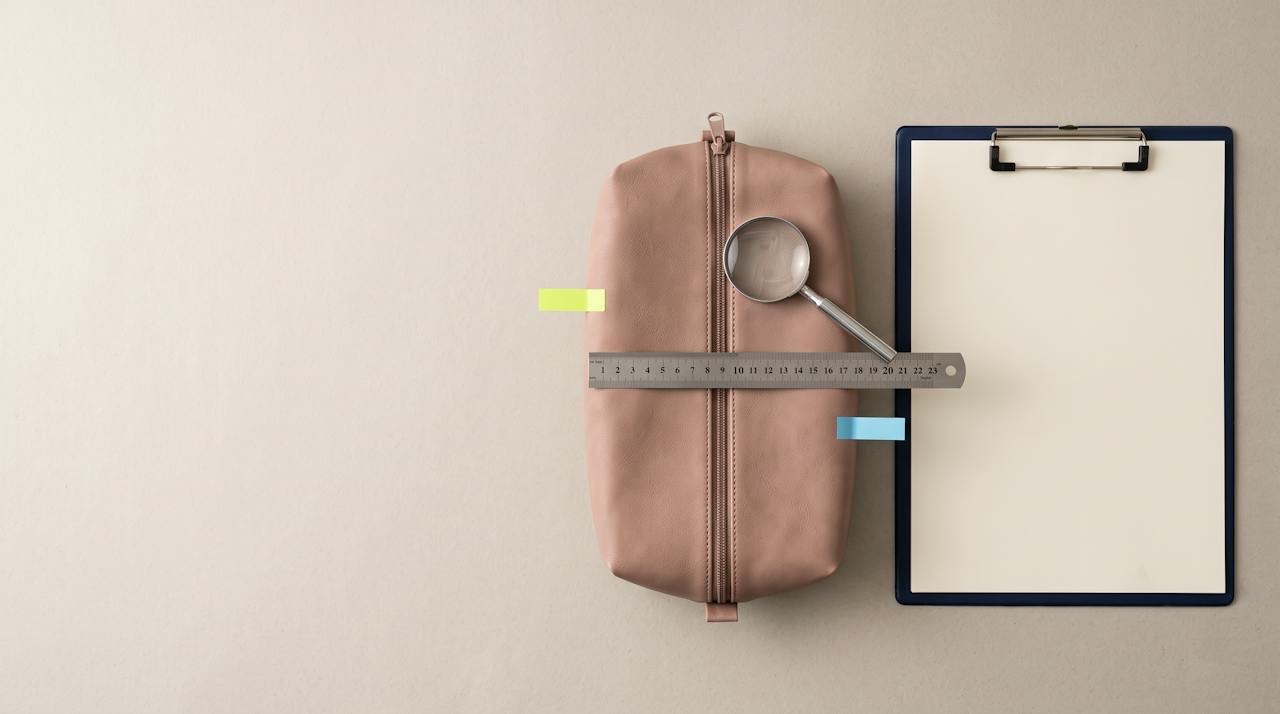
When the first samples arrive, close each one fully and check that the opening meets with no gap, pull the cord several times to make sure it slides without catching or twisting, check that the ends are sealed and secure, and look along every edge and the channel stitching for raw edges or puckering. Fill the bag with the product it is meant to carry. For a fuller checklist, see what to check when your first samples arrive.
| Cord type | How it behaves | Usual ends | Good for |
|---|---|---|---|
| Round cord (braided or twisted) | Slides easily, gathers tightly, holds a knot | Tips, knots or a cord stopper | Shoe bags, dust bags, sports and travel pouches |
| Flat cord or tape | Lies flat in the channel, less prone to twisting | Tips or folded and stitched ends | Cotton and canvas pouches, merchandise bags |
| Satin or grosgrain ribbon | Soft, decorative, ties in a bow; grips less | Heat-sealed or angled cut ends | Gift pouches, jewellery and accessory packaging |
| Cord with a stopper or toggle | Holds the opening closed without tying | Knot or tip below the stopper | Bags opened and closed often, larger gusseted bags |
| Self-fabric cord | Matches the bag exactly; slides less freely | Knotted or stitched ends | Minimal or tonal designs where hardware should not show |