
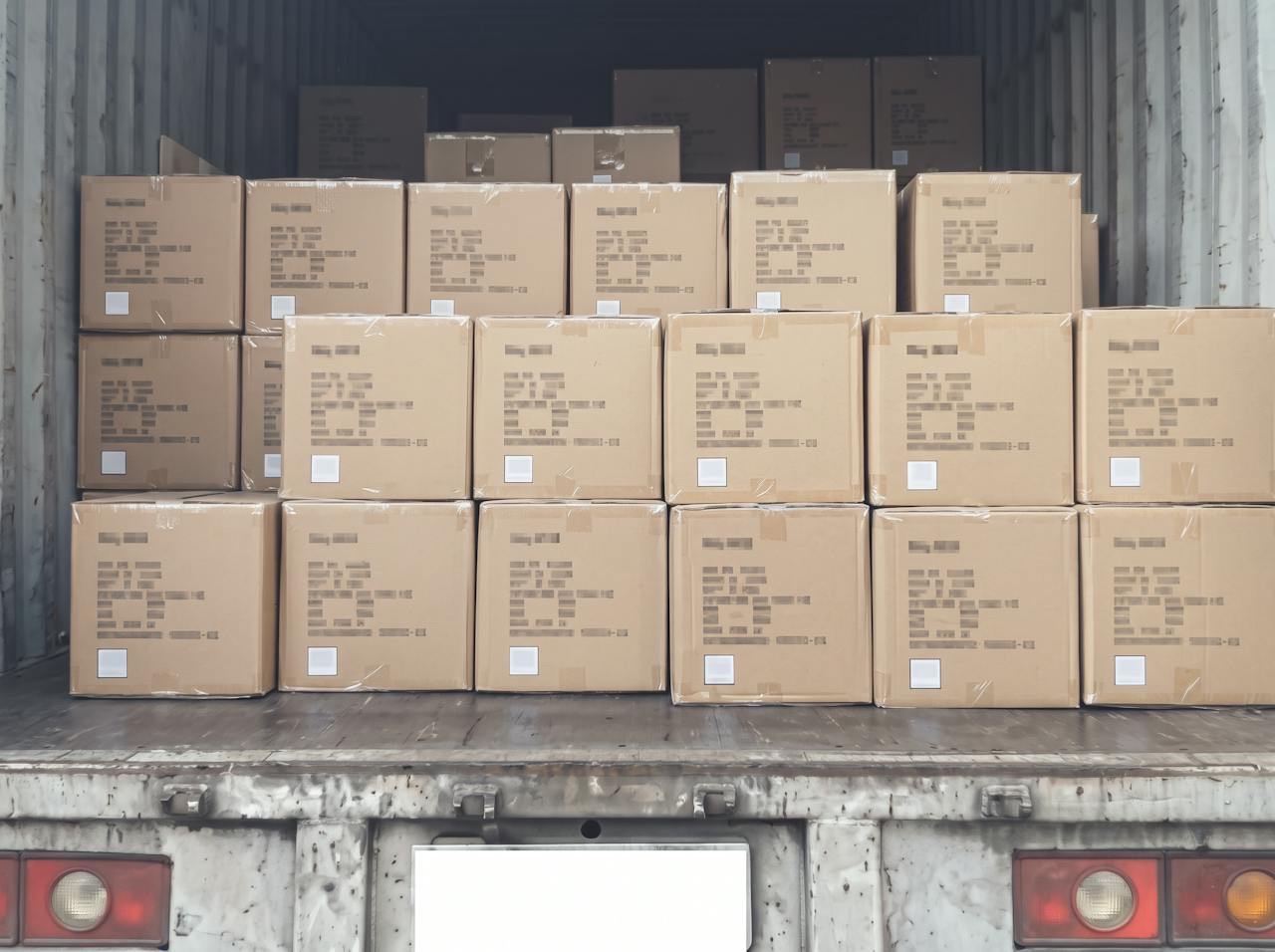
Which HS Code Applies to Cosmetic Bags, Toiletry Kits and Tote Bags?
Heading 4202 is the easy part; the subheading, and the duty, turn on what the outside of the bag is made of.
Soft cosmetic bags, toiletry kits and tote bags normally fall under HS heading 4202. The subheading depends mainly on the outer-surface material: textile and plastic-sheeting shells such as PVC take different lines, and in the US the textile fibre matters too. US rulings treat cosmetic bags as travel bags (4202.92), not handbag articles (4202.32). Confirm your exact build with a broker or binding ruling.
If you are costing a cosmetic bag, toiletry kit or gift-with-purchase (GWP) tote in 2026, the tariff code deserves attention before the first entry is filed, not after. The first four digits are rarely in doubt; the digits after them carry the duty, and they move with one development decision: the outer material.
This guide uses published US and UK customs rulings to show how. It is general guidance, not customs or legal advice. The code is the responsibility of the importer of record, the party legally responsible for the import entry, usually working with a customs broker.
What HS code applies to a cosmetic bag?
Soft cosmetic bags, toiletry bags and reusable totes normally sit in heading 4202, whose wording in the UK tariff names vanity cases, travelling-bags, toilet bags and shopping-bags. The Harmonized System (HS) is the World Customs Organization's six-digit nomenclature, used by more than 200 countries and economies; each market adds national digits, such as the US HTSUS or the EU Combined Nomenclature. The six digits travel; the national digits and their duty do not.
Classification follows the General Interpretative Rules (GRIs): GRI 1 classifies by the terms of the headings and chapter notes, and GRI 6 applies the same logic to subheadings. Within 4202, subheadings split by type of article and then by outer surface, which the UK tariff defines as the material visible to the naked eye, even when it is the outer layer of a combination of materials.
Is a cosmetic pouch classified under 4202.92 or 4202.32?
In US practice a cosmetic pouch goes to 4202.92, travel, sports and similar bags, not 4202.32, articles normally carried in the pocket or handbag. In HQ 956666 (1995), an importer argued that two small nylon cosmetic bags were handbag articles. CBP read travel as including everyday trips and concluded that the principal use of a cosmetic or toiletry bag is use during travel. Rely on the reasoning, not the ten-digit number: the 1995 statistical suffix no longer exists.
How does the outer material change the US subheading?
Within 4202.92, the outer surface decides the line. In N289662 (2017), a toiletry bag with a mostly polyester outer surface went to 4202.92.3131, textile of man-made fibres. In N287644 (2017), a PVC-exterior 'Cosmetic Gifting Bag' went to 4202.92.4500, plastic sheeting. The lining decided neither: the PVC bag had a textile lining, while the nylon bags in HQ 956666 had plastic linings and were still textile.
Totes show it more sharply, because the US also splits textiles by fibre. N318718 (2021) classified man-made textile totes under 4202.92.3131, a 100% cotton canvas tote under 4202.92.1500 and a PU tote with a plastic-sheeting surface under 4202.92.4500: one product type, three lines. The ruling notes the textile totes were not coated, so coating and lamination belong in your specification.
What UK commodity code applies to a toilet bag?
For a textile shell, HMRC's Advance Tariff Ruling 600012115 classified a cosmetic bag in recycled polyester (RPET) 210T woven fabric as 4202 92 91 90, applying GIR 1 and GIR 6. Recycled content did not change the line; backing a recycled claim is a separate question, covered in how to verify a recycled material claim.
With a plastic-sheeting shell such as PVC, the UK line for travelling-bags and toilet bags is 4202 92 11 00. Two cautions: shopping-bags are named in the heading but not in either line, so do not assume a UK tote takes the toilet bag code; and the ruling applies UK law, so EU importers should check the Combined Nomenclature rather than carry a UK code across.
Does a GWP tote packed with skincare count as a set?
Usually not, so budget duty on the bag in its own right. Under GRI 3(b), a retail set needs articles from different headings, put up together for a particular need or activity, and packed for sale without repacking. In N079476 (2009), a skincare collection with a bonus PVC tote failed the second test: the tote was not designed for those products and was appreciably larger than they needed, so it was classified separately under 4202.92.4500. Containers clearly suitable for repetitive use are also not classified with their contents under GRI 5(b).
Why does HS classification matter for bag duties in 2026?
Because the code is the key every duty measure hangs on, and those measures keep changing. Base rates attach to the national line, and additional duties can stack on top by origin: N318718 itself flagged an extra Chapter 99 duty on China-origin totes. Do not fix rates in a plan. Look them up in the USITC HTS search, the UK Integrated Online Tariff or the relevant national tariff when costing, and again before shipping.
A ruling also covers only the goods it describes. In N289662 the importer said the bag would also be made in cotton and PVC; CBP addressed only the item presented. Watch the edges: structured vanity cases sit with suitcases in separate 4202 subheadings, a shell near half textile and half plastic needs your broker, and non-durable plastic bags with handles are excluded from 4202 altogether.
How do you get a binding tariff ruling for bags?
Apply to the customs authority of each import market before shipping. A binding ruling is a written customs decision, issued before import, on how specific goods are classified. CBP issues them under 19 CFR Part 177; HMRC's Advance Tariff Rulings carry expiry dates (600012115 runs to 21 January 2028); the EU's Binding Tariff Information is generally valid for three years; Australia's Tariff Advice System covers a specific good from a specific manufacturer; and Japan Customs respects written advance rulings for three years.
Give customs what it will read: outer-surface material and fibre, coating or lamination, lining, dimensions, closure, intended use, and whether the bag ships empty or packed. A ruling on a sample that differs from bulk production does not cover the bulk.
What should you send ROOTSMEN to start?
Send your destination markets, whether bags ship empty or packed as GWP sets, your preferred shell material plus alternatives, quantity per colourway, target ship date and your broker's documentation requirements through our contact page. ROOTSMEN specifies materials, construction and dimensions precisely so your broker classifies from facts, not a material name; we do not classify goods or act as customs broker.
Compare shells on duty as well as hand-feel and unit cost, as in nylon vs. RPET for cosmetic pouches. See our OEM/ODM solutions, cosmetic bags and promotional and GWP ranges, and what to send us so the first quote is accurate.
| Product | Outer surface | Jurisdiction | Code assigned | Ruling reference |
|---|---|---|---|---|
| Two small cosmetic bags (plastic lining) | Nylon textile | US | 4202.92, not 4202.32 (issued as 4202.92.3030) | CBP HQ 956666 (1995) |
| Toiletry bag with zip pouch | Mostly 100% polyester | US | 4202.92.3131 | CBP N289662 (2017) |
| 'Cosmetic Gifting Bag' (textile lining) | PVC plastic sheeting | US | 4202.92.4500 | CBP N287644 (2017) |
| Shopping-style totes | Man-made textile, not coated | US | 4202.92.3131 | CBP N318718 (2021) |
| Cotton canvas beach tote | 100% cotton, not coated | US | 4202.92.1500 | CBP N318718 (2021) |
| PU tote | Plastic sheeting | US | 4202.92.4500 | CBP N318718 (2021) |
| Bonus tote packed with skincare | PVC plastic sheeting | US | 4202.92.4500, separately from the skincare | CBP N079476 (2009) |
| RPET 210T woven cosmetic bag | Recycled polyester textile | UK | 4202 92 91 90 | HMRC ATR 600012115 (valid to 21 Jan 2028) |
| Travelling-bags and toilet bags | Sheeting of plastics | UK | 4202 92 11 00 | UK Integrated Online Tariff line (no ruling) |
Event Details
From the Stand
Frequently Asked Questions
The questions this topic actually raises when a program is being scoped.
It depends on the outer surface. CBP ruling N289662 classified a polyester toiletry bag under 4202.92.3131, while N287644 classified a PVC toiletry bag under 4202.92.4500. Each ruling covers only the goods it describes, so confirm your own build with your customs broker before you cost or ship.
Not under CBP's reasoning in HQ 956666. It found that the principal use of cosmetic and toiletry bags is use during travel, including everyday trips, and classified them as travel, sports and similar bags under 4202.92 rather than articles carried in the pocket or handbag.
HMRC Advance Tariff Ruling 600012115 classified an RPET cosmetic bag with a textile outer surface as 4202 92 91 90. For an outer surface of plastic sheeting, the UK tariff line for travelling-bags and toilet bags is 4202 92 11 00.
Not automatically. In N079476 CBP found that a skincare collection with a bonus tote failed the GRI 3(b) set test, because the items met different needs and the tote was not designed for those products, so the tote was classified separately under 4202.92.4500.
Use official tools, not third-party lists: the USITC HTS search for the US, including any Chapter 99 additional duties, the UK Integrated Online Tariff, the EU's TARIC and Combined Nomenclature, Japan Customs' tariff schedule or Australia's working tariff. Check when costing and again before shipping, because rates change.
No. ROOTSMEN supplies a precise product specification covering materials, construction and dimensions, but does not classify goods or act as customs broker. The importer of record and their broker are responsible for the code and any binding ruling application.
Related Products
Builds where this decision applies.

Have a product requirement of your own?
Tell us the product, the quantity and the timeline — we'll scope a development plan.