PU leather bags and cosmetic cases are popular because they look smart, feel soft and wipe clean more easily than most fabrics. They are also easy to damage with the wrong treatment. Much of what goes wrong with PU leather in daily use is not dirt but well-meant cleaning: a soak in the sink, a wipe with alcohol, a leather balm or a few minutes under a hairdryer.
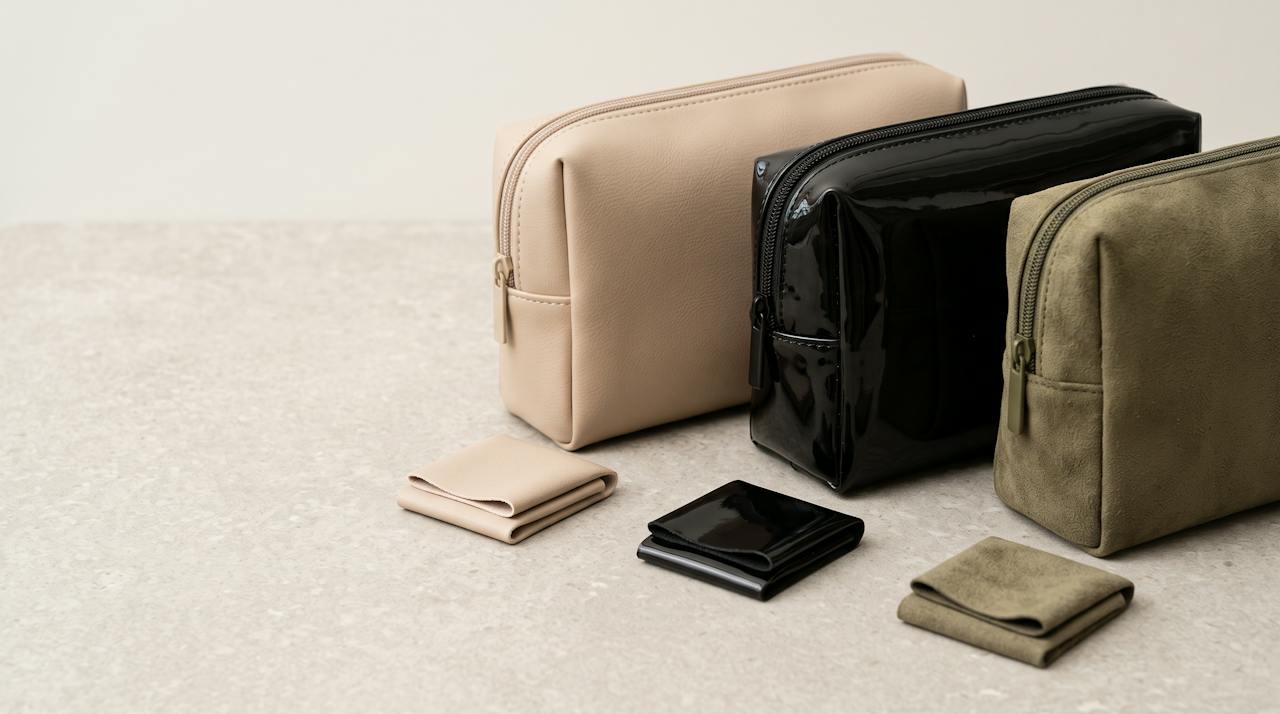
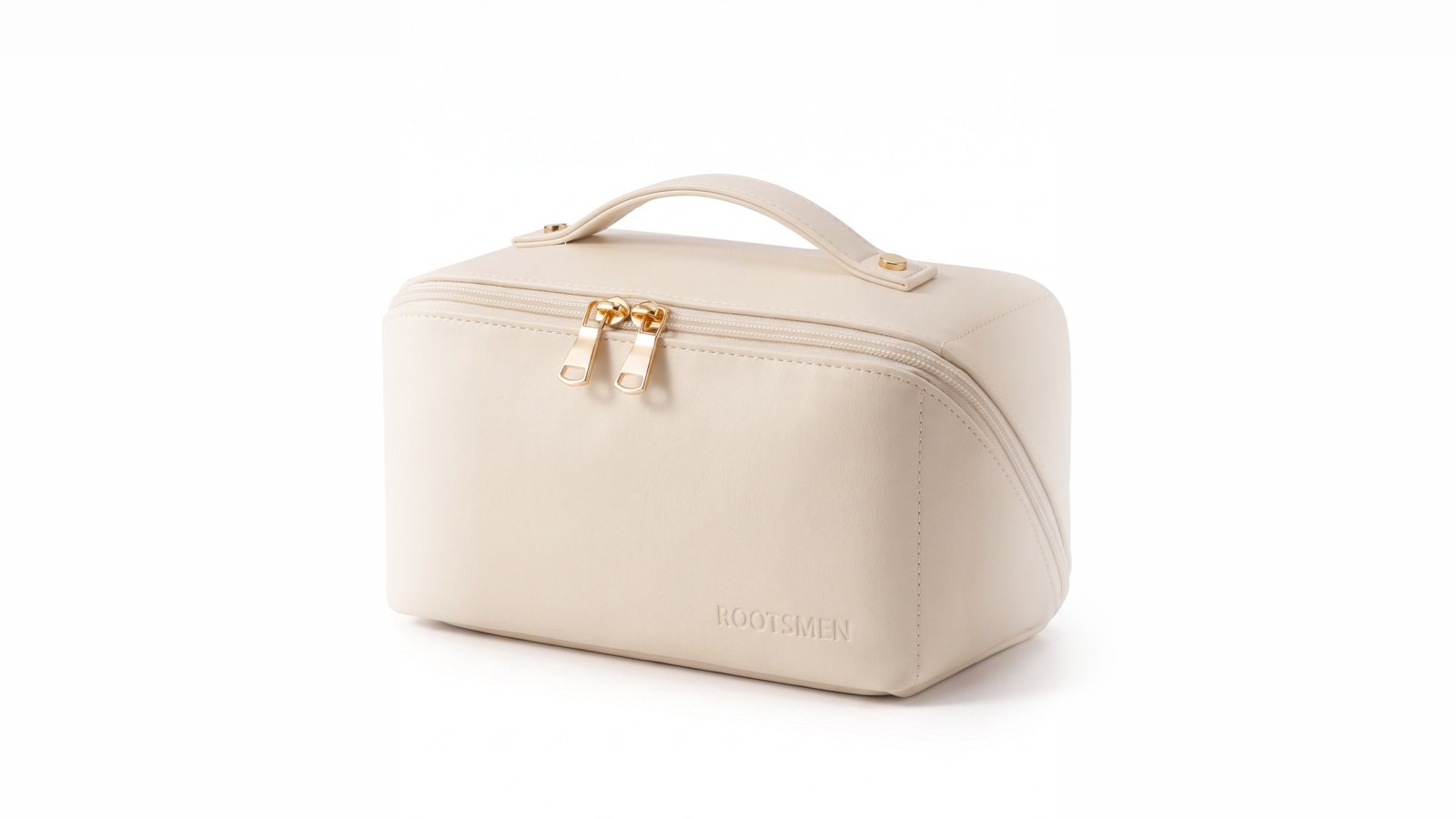
This note sets out a simple care routine, how to deal with makeup, oil, ink and dye transfer, how to look after the lining, zippers and hardware, and how to dry and store the bag. It is written for people who own a PU leather bag or vanity case and for brands writing care instructions for one; our cosmetic bag range shows some of the shapes PU leather is used for.
PU leather is a coated fabric, not leather#
PU leather is made by applying a layer of polyurethane to a backing fabric, usually a knitted or woven textile, and embossing a grain into the surface. It is sold as faux leather, synthetic leather or vegan leather, but there is no hide in it and it does not behave like leather. The surface you see is a thin coating; the fabric underneath gives it strength and softness.
That is why the basic rule is to clean the surface and keep water out of the structure. Do not soak a PU bag, put it in a washing machine or hold it under a running tap. Water that gets through seams and cut edges into the backing fabric is slow to dry, can leave marks and can weaken the bond between coating and fabric. If you are not sure what your bag is made of, our comparison of PU leather, PVC and microfiber explains the differences.
A simple routine: dust, wipe, dry#
For everyday care, start dry. Shake out crumbs and powder, brush off dust with a soft brush and wipe the outside with a soft dry cloth, paying attention to seams, corners and the base, where dirt collects. Then wipe the surface with a soft cloth dampened in clean water and wrung out well, so that it is damp rather than wet.
If that is not enough, use a mild soap solution: a little gentle, unscented hand soap or mild washing-up liquid in a bowl of lukewarm water. Dip the cloth, wring it out and wipe in gentle, overlapping strokes rather than scrubbing one spot. Follow with a cloth dampened in clean water to remove the soap, because soap left on the surface can dull it and attract dirt, and finish by wiping dry with a clean, soft cloth. Microfibre cloths work well; keep abrasive sponges, scouring pads and stiff brushes away from the coating.
Makeup and oil stains#
Foundation, lipstick, eyeliner, oils and creams are the usual marks on a cosmetic case. Speed matters more than strength: the sooner you deal with a mark, the more of it stays on the surface instead of working into the grain and the stitching. Blot fresh product with a dry tissue or cloth, lifting rather than rubbing so that you do not spread it, then clean the area with the mild soap solution, wipe with clean water and dry.
Oils and some cosmetic ingredients can soften or stain PU if they are left on it, so do not let them sit. Resist the temptation to reach for something stronger. Alcohol and alcohol wipes, acetone and nail polish remover, makeup removers, solvent-based stain removers, bleach and strong household cleaners can dissolve, dull, discolour or leave the coating sticky, and the damage is usually permanent. If you want to try any cleaner other than mild soap and water, test it first on a hidden spot, such as under the base or inside a gusset, and judge it only once it has dried.
Ink and dye transfer from denim#
Pen ink and colour rubbed off dark denim or other dyed fabrics are among the hardest marks to remove from PU leather, especially on light colours. Dye can migrate into the coating itself, and once it has, no gentle method will lift it completely. On fresh ink, blot straight away and try the mild soap solution; if that does not work, stop rather than scrubbing harder or using solvents, which tend to spread the ink and damage the finish around it.
Prevention is far more effective than repair. Keep pens capped and in a pocket of their own, avoid carrying a light PU bag against new or dark, unwashed denim, and do not store light bags in contact with printed paper, dark fabrics or coloured plastics. Some marks can be lightened but not removed; for a bag you value, ask the maker or a specialist before trying anything stronger.
Inside the bag: caring for the lining#
The lining of a cosmetic case takes most of the spills. Empty the bag regularly, shake out powder and crumbs and turn out the pockets. Wipe a fabric or coated lining with a damp cloth and the mild soap solution, then with clean water, and leave the bag open until it is completely dry before you close it or fill it again.
Deal with leaking products immediately: take the item out, blot up as much as you can and wipe the area. If liquid has soaked into a fabric lining, blot it from both sides where you can reach and let the bag air-dry open; do not put it in the washing machine to fix it. Keeping liquids in their own small pouch makes the lining last much longer.
Zippers and metal hardware#
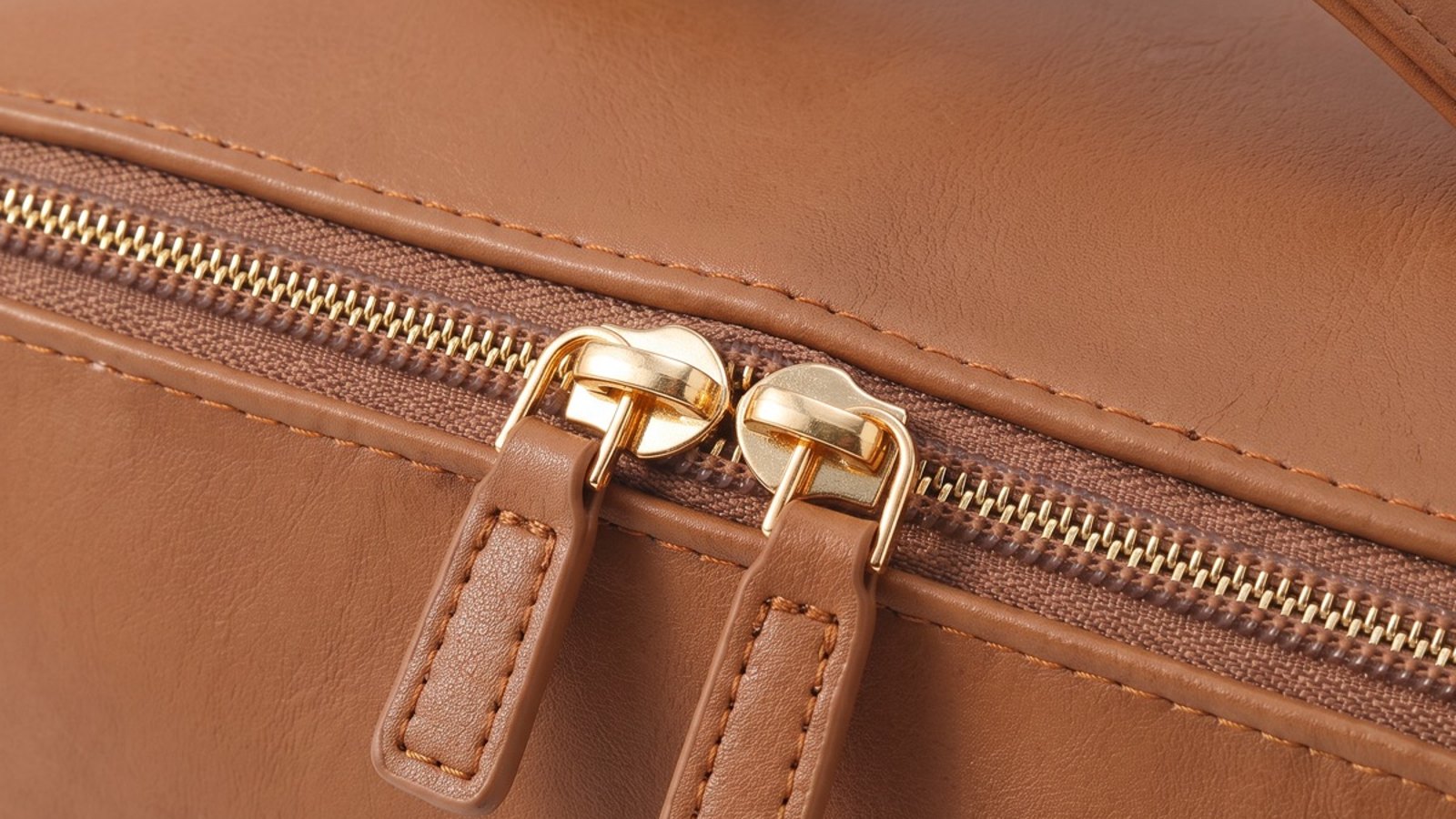
Zippers, pullers, rings, feet and frames are often metal, plated or coated, and they do not like moisture or cleaners. Wipe them with a dry or barely damp cloth, dry them straight after cleaning the bag, and do not let soap solution pool around them. Avoid metal polish on plated parts: it can strip the finish and stain the PU next to it.
Brush dust and powder out of the zipper teeth with a soft, dry brush so that the slider runs freely. If a zipper sticks, check first for a caught thread or a fold of lining instead of forcing it. A stiff zipper can be eased with a product made for zippers, used sparingly and kept off the PU and the lining.
Drying and storage#
Always dry a PU bag at room temperature. Wipe off surface water, leave the bag open in a well-ventilated place and let it dry naturally. Do not use a hairdryer, heater, radiator, tumble dryer or direct sun to speed things up: heat can soften, distort or blister the coating and makes it age faster.
For storage, empty the bag, stuff it lightly with acid-free tissue or clean paper to keep its shape, and put it in a breathable cotton or non-woven dust bag. Keep it somewhere cool, dry and dark, away from windows, radiators and damp places such as bathrooms, basements and car boots. Do not seal it in a plastic bag or an airtight box, which traps moisture and can lead to mould and coating problems. Keep PU surfaces from pressing against other plastics, vinyl, rubber or another PU item for long periods, because coatings can stick together or pick up colour; wrap items separately or put paper between them, and store bags upright without crushing them.
Leather conditioners and products made for real leather#
Conditioners, oils, balms and creams for real leather are designed to soak into a hide and keep its fibres supple. PU leather has a closed coating that cannot take them in, so they stay on the surface, can leave it greasy or streaky, attract dirt, and some ingredients may soften or discolour the coating.
Unless the maker of your bag recommends a particular type of care product, gentle cleaning with mild soap and water and careful drying are all PU leather needs. The same applies to shoe polishes, waterproofing sprays and silicone sprays: if you want to use one, choose a product that says it is suitable for synthetic or PU leather and test it on a hidden spot first.
Peeling and cracking: what the signs mean#
With age, PU leather shows wear in the coating: fine cracks at folds and handles, a surface that turns tacky, small bubbles or blisters, and eventually flakes of coating lifting away from the backing fabric, often starting at edges, corners and handles. These are signs that the coating is breaking down or that its bond to the fabric has weakened.
Heat, humidity, sunlight, oils, cosmetics and harsh cleaners all speed this up, which is why the care above matters. Good care slows the process but cannot reverse it: once the coating has started to peel, cleaning or applying a product will not restore the area. The material and how it was made matter just as much. Our article on why PU and PVC leather peel and how to test it explains the causes and the checks brands can run before choosing a material.
For brands: care card wording and wipe-ability testing#
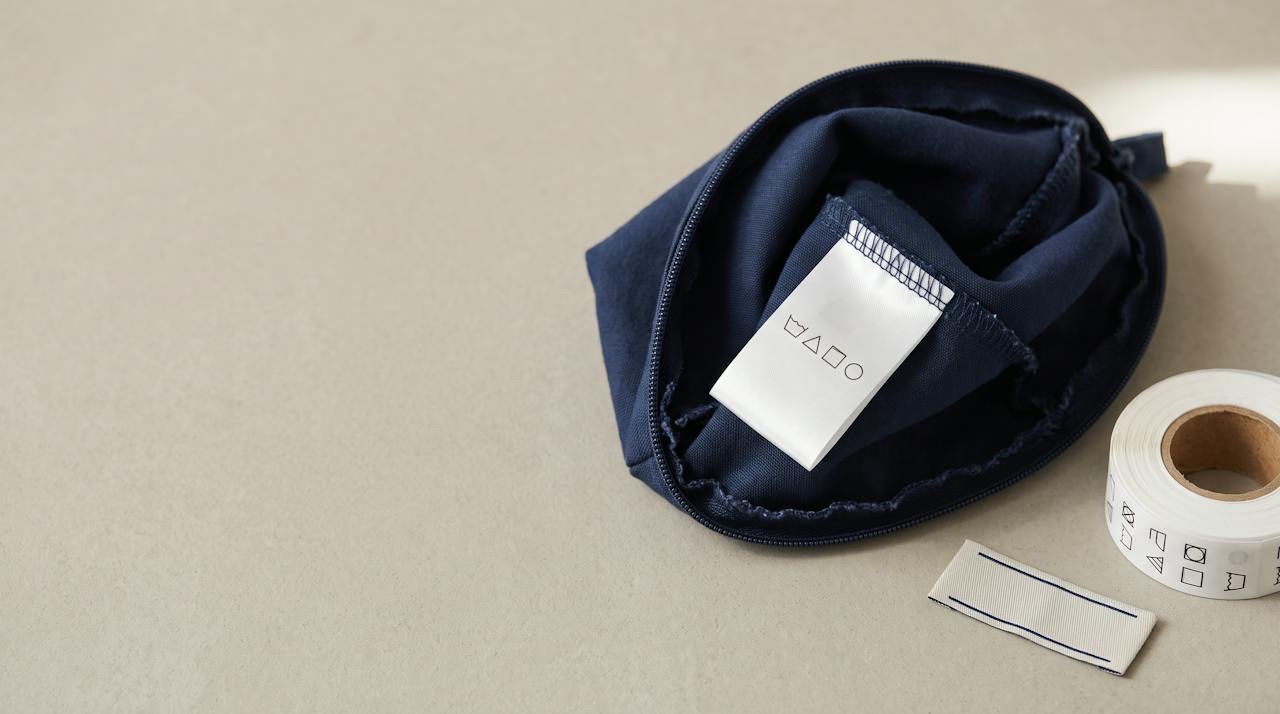
Care instructions for a PU leather bag should be short, specific and match how the material was actually tested. A typical card might read: "Wipe clean with a soft, damp cloth and a mild soap solution. Dry with a soft cloth. Do not soak, machine-wash or tumble-dry. Do not use alcohol, solvents or strong cleaners. Keep away from heat, direct sunlight and humidity. Store in a dust bag, not in plastic. Light colours may be marked by dyes from denim and other fabrics." Add care symbols where your markets expect them, and confirm the labelling requirements for each market locally. Our note on care labels and washing instructions for bags covers symbols and placement.
Before the card is printed, test it. On samples of the approved material and colour, apply the marks your customers will really make, such as foundation, lipstick, oil, a pen line and rubbing with dark denim, and clean them using only the method on the card. Once dry, check for staining, dulling, tackiness and colour loss, try the same on the lining and around the hardware, and agree with your manufacturer what result counts as acceptable on the sample. If the card says "wipe clean", the sample should prove it. ROOTSMEN can run these checks with you on development samples so that the care card and the material agree.
| Situation | What to do | Avoid |
|---|---|---|
| Dust and everyday marks | Soft dry brush or cloth, then a well wrung-out damp cloth; dry off | Abrasive sponges, scouring pads, hard scrubbing |
| General grime | Mild soap solution on a damp cloth, then clean water, then dry | Soaking, machine-washing, holding under a tap |
| Fresh makeup or oil | Blot at once without rubbing, then mild soap solution and dry | Alcohol, acetone, makeup removers, solvents |
| Ink | Blot fresh ink, try mild soap; stop if it does not lift | Solvents, harsh scrubbing, home remedies |
| Dye transfer from denim | Prevent it; wipe early with mild soap; accept limits | Bleach and strong cleaners |
| Spills inside | Empty, blot, wipe the lining, leave open to dry | Closing or refilling the bag while damp |
| Zippers and metal hardware | Wipe dry, brush the teeth, keep moisture off | Leaving them wet; metal polish on plated parts |
| Storage | Stuff lightly, breathable dust bag, cool and dry place | Heat, sun, humidity, sealed plastic, contact with other plastics |