對滿額禮來說,品牌工藝是成本與時程的決定,不只是視覺決定。在這類專案的數量級上,每件多一點點成本,總額就會多很多;而多兩天的前置作業,可能會直接吃掉一個上市檔期。
和刺繡與壓凹一樣,通常是圖稿在決定。把檔案連同需求一起寄來,大部分的討論就會自己解決——顏色數、細節量,以及標誌出現的最小尺寸,這三項在報價之前就能回答四分之三的問題。
網版印刷#
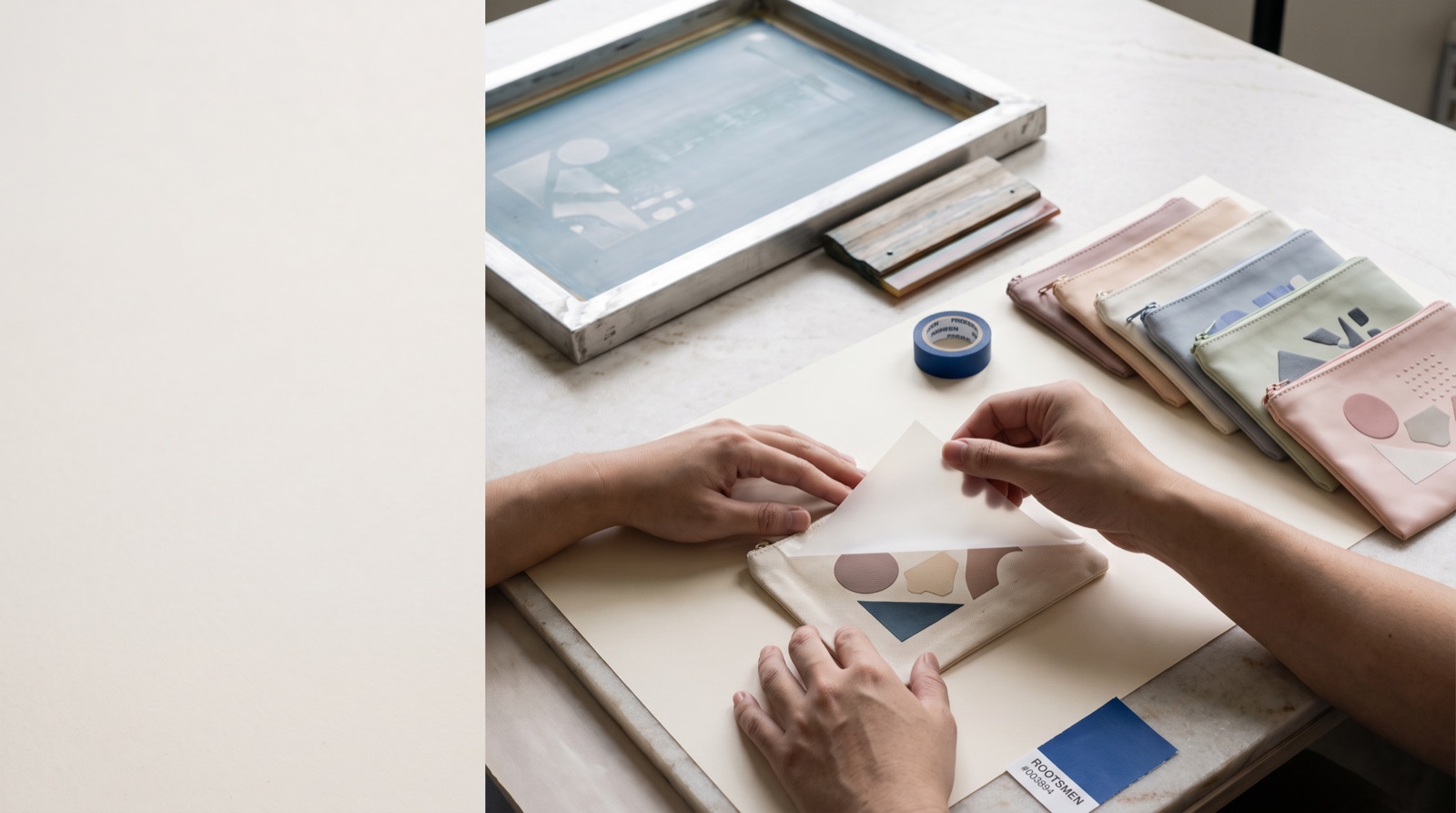
網版印刷是量大、平面、實色標誌的預設做法。圖稿每一個顏色各出一張版,油墨透過版子刮到產品上,所以版費是按顏色計算的:一到兩色的標誌開版很便宜,六色就不是了。開始跑之後單價很低,整批的顏色一致性也非常好。
它處理不了漸層與照片級細節。依賴細膩混色的標誌,要嘛為這個工法簡化,要嘛換工法。網點可以近似漸層,但在有紋理的表布上會變粗,結果通常看起來像妥協而不是選擇。
兩個實務限制。每個顏色都是一次對位——也就是一張版對準前一張版——每多一色就多一次跑位的機會,所以在柔軟有彈性的版片上做四色網印,比在硬挺版片上難得多。另外,印刷範圍受限於「能攤平的部分」:跨過接縫、側身或拉鍊的標誌,通常無法一次印完。
深色表布上,油墨底下要先印一層白色打底,否則顏色會被背景吃掉。那在版費上是多一個顏色,應該出現在報價單上,而不是在報價之後才被發現。
數位印刷#
數位印刷沒有分色版費,所以適合細節多的圖稿、漸層與全彩影像。它是那些用網版做起來很貴或根本做不到的標誌的正解,也是同一批貨裡每個品項圖案都不同時,唯一合理的做法。
它的單價隨數量下降得比較平緩,這表示:簡單標誌在大量時數位會輸給網版,複雜標誌在任何數量下數位都輕鬆獲勝。交叉點同時取決於顏色數與數量,不是只看其中一個——所以「哪個比較便宜」在兩個數字都出現之前沒有答案。
它對材質比網版更挑。直接數位印在有塗層、有紋理或起絨的表面上並不穩定,聚酯則需要專用工序或轉印。對於抗拒直接印刷的表布,實務上的數位路線是「印好的轉印膜再熱壓上去」,那又是另一種成本結構。
熱轉印#
熱轉印介於兩者之間:細節不錯、前置成本中等,而且能乾淨地應用在不好直接印刷的表布上。對有塗層或有紋理的材料,它經常是實務上的答案,在某些材料上甚至是唯一答案。
代價是手感——標誌是浮在表面而不是在材料裡,大面積實色時看起來就像貼了一塊補丁。如果品牌區塊會被經常觸摸或反覆彎折,請在確認前於樣品上檢查。要看的失效方式是反覆彎折後的邊緣翹起,而且它在壓縮過的樣品上會比在平放的樣品上早很多出現。
這個類別內部差異也很大。刻字膜是從色膜上刻出來的,邊緣俐落但只能做實色形狀。數位轉印是印出來的,能承載照片級內容。昇華轉印則是把染料打進纖維,完全沒有手感——但它只能用在淺色聚酯上,等於排除了大部分棉質與所有深色表布。
不是印刷的那些做法#
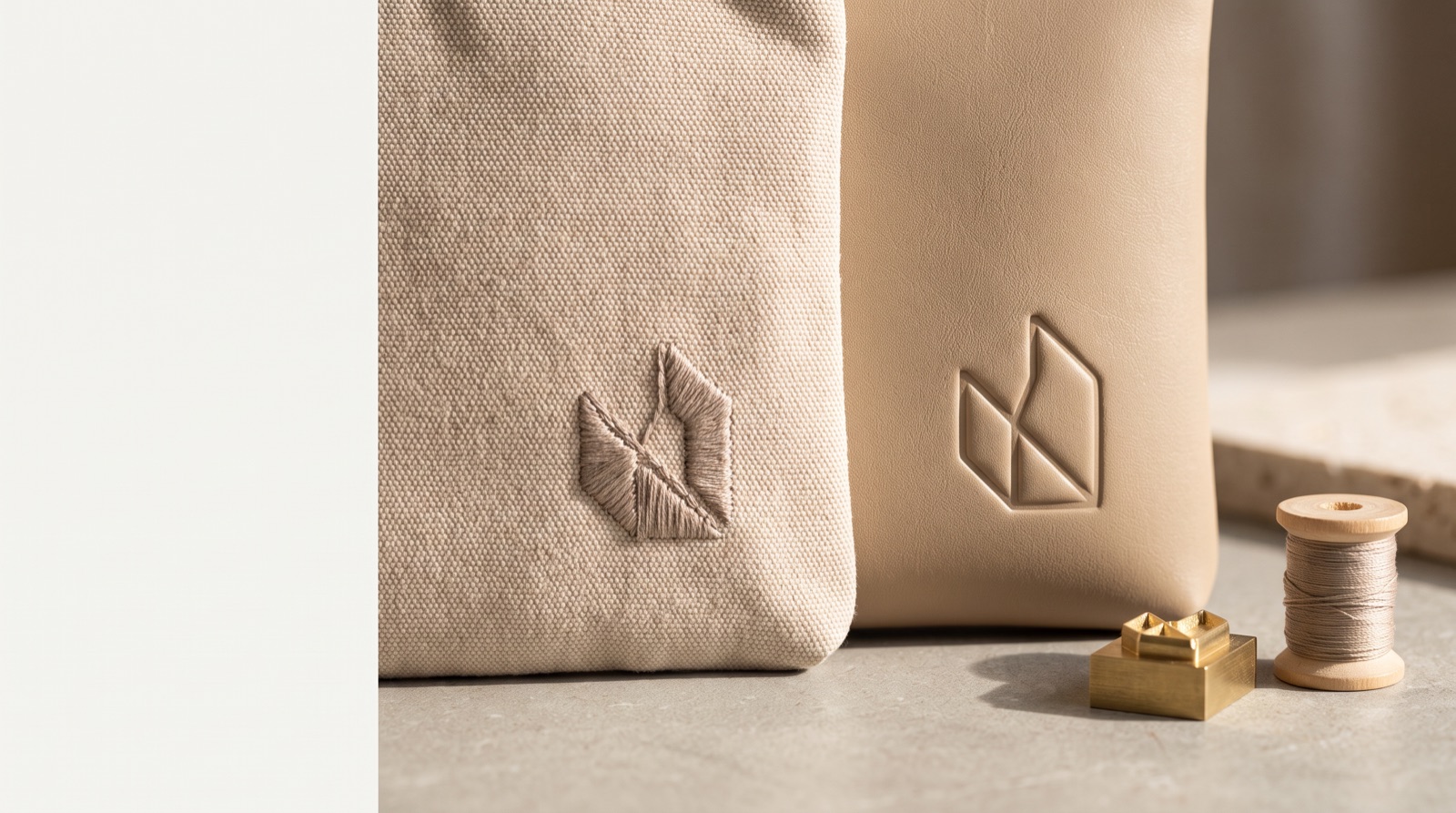
如果標誌需要讀起來「高級」而不是「印上去的」,值得把其他做法一起比價。織嘜在小尺寸下能保留細節,車在接縫裡所以永遠不會讓版片變形,量大時往往是整件產品上最便宜的品牌元素。
在 PU 或厚帆布上壓凹有一次性模具費、單價極低,數量愈大愈划算。大量時它可以比它所取代的複雜印刷更便宜,而且永遠不會磨損,因為表面上根本沒有東西可以被磨掉。
橡膠/矽膠標與金屬牌都要開模、都會增加厚度,也都讀起來很刻意。這些都不是備案;它們是不同的答案。需求單如果描述想要的效果而不是指定工法,反而更容易拿到最好的那一個。
圖稿:該給什麼,以及它決定了什麼#
請提供已轉外框的向量圖稿、用標準色號(而非形容詞)指定顏色,並附上標誌會用到的最小尺寸。這三件事一次就能決定工法、版費與大部分的細節問題。
請說明哪些是不能動的品牌色、哪些可以微調。油墨是照標準色調配、並在核可的打樣稿上確認的,但表布顏色本身一定會讓印色略微偏移——這和打色與顏色為什麼會跑掉講的是同一個物理現象。知道哪些顏色有容差、哪些沒有,就能避免為了一個本來就沒人在保護的色階反覆確認。
位置請以固定基準標示——離某條車縫線、拉鍊端點或底部多少——而不是寫「置中」。平面版片上的置中,和成品曲面上的置中不是同一個位置,而這個落差是首件被退最常見的原因之一。
成本:真正會動到數字的東西#
三件事主導成本:顏色數、印刷位置數,以及同一批內圖稿是否有變化。一色、一個位置、一個圖案,就是有可能做出來最便宜的品牌化產品。每增加一項都是一次獨立的前置作業,而前置成本不像材料那樣能被整批攤薄。
多一個印刷位置,往往比同一個位置多一個顏色更貴,因為產品要被處理兩次。預算緊的時候,把兩個小標誌合併成一個,通常比減少顏色省得更多。
當圖稿必須有變化時——一個專案六款設計——數位是唯一不會把版費乘以六的工法。光是這一點,就決定了非常多滿額禮專案。
法規:印刷工法會撞到的規定#
印刷油墨和其他材料一樣受管制,有些市場會規範油墨裡能含什麼。在歐盟與美國多個州銷售或發放時,限用物質清單同樣管到印刷化學品,而不只是布料處理劑,佐證方式是供應商聲明。
如果產品對象是兒童,或會與兒童商品一起行銷,要求會嚴格得多,而且應該在需求階段就提出,不是等驗貨才講。美國與歐盟需要哪些合規文件說明通常會被索取的項目。
印在產品上的永續訴求有自己的舉證要求——請見回收材質訴求怎麼查證。訴求在圖稿定稿之前決定,是最容易被支撐起來的。
從上市日往回推#
滿額禮的時程通常綁定上市日或活動日,而那個日期不會動。請把它連同需求一起寄來:它決定了實際上還有多少修改空間,而品牌工藝對時程的影響不亞於結構。
必須塞得進去的順序是:圖稿確認 → 出網版或製作轉印膜 → 在實際表布上確認印樣 → 量產。每一段都是真實的天數。產前樣上的品牌工藝必須是用量產工法做上去的——為了拍照而手工貼上去的標誌,等於什麼都沒確認。
日期很緊時,真正能換到時間的兩個槓桿是:減少顏色數,以及更早凍結圖稿。客製化包袋訂單要多久與依上市檔期規劃滿額禮專案說明其餘時間花在哪裡。
快速判斷#
平面、實色、一到三色、量大:網版。漸層、照片級內容,或同批圖稿有變化:數位。表布抗拒直接印刷,或標誌要撐過有紋理的表面:轉印。小尺寸又要細節:織嘜。要讀起來安靜又永久:壓凹。
請把圖稿、上市日與數量區間一起寄來。這三個輸入回答工法問題的速度,遠快過任何關於偏好的討論;也正是這三項,讓我們能在確認之前就告訴你品牌工藝那一段要花多少。
| 網版 | 數位 | 熱轉印 | |
|---|---|---|---|
| 前置費用 | 依顏色計 | 無 | 低 |
| 最適合的圖稿 | 平面、實色、顏色少 | 漸層、照片、全彩 | 難印表布上的細節 |
| 大量時的成本 | 簡單標誌最低 | 曲線較平緩 | 中等 |
| 手感 | 在布料裡 | 在布料裡 | 浮在表面 |
| 要注意 | 顏色數決定成本 | 簡單標誌可能輸給網版 | 常被觸摸處的觸感 |